Your HVAC system is one of the hardest-working systems in your home, quietly keeping you comfortable through scorching summers and chilly winters. But like any machine, it won’t last forever.
So the big question homeowners ask is: how long do HVAC systems last?
The answer isn’t one-size-fits-all. Some systems last over 20 years, while others struggle to make it past 10. The difference comes down to maintenance, usage, installation quality, and more.
In this guide, we’ll break down exactly what to expect, how to spot warning signs, and how to make the smartest decision when your system starts aging.
What Is the Average Lifespan of an HVAC System?
On average, most HVAC systems last between 10 to 20 years.
Here’s a quick snapshot:
- Air conditioners: 12–17 years
- Furnaces: 15–20 years
- Heat pumps: 10–15 years
- Ductwork: 20–25 years
Think of your HVAC system like a car. You can keep it running for a long time, but eventually, repairs become more frequent, efficiency drops, and replacement makes more sense.
Lifespan Breakdown by HVAC Component
Air Conditioners
Central AC units typically last around 12–17 years, depending on usage and climate.
If your AC runs constantly during hot seasons, wear and tear will shorten its lifespan. Systems in milder climates tend to last longer.
Furnaces
Furnaces are built to last, often 15–20 years or more.
Gas furnaces may wear out faster than electric ones due to combustion components, but regular maintenance can extend their life significantly.
Heat Pumps
Heat pumps usually last 10–15 years, largely because they operate year-round (heating and cooling).
That constant workload makes them more prone to wear compared to standalone systems.
Ductwork
Duct systems can last 20–25 years, but leaks, poor installation, or lack of maintenance can reduce efficiency much sooner.
7 Factors That Affect HVAC System Longevity
1. Maintenance Frequency
Regular maintenance is the #1 factor.
Skipping tune-ups is like never changing your car’s oil, it guarantees a shorter lifespan.
2. Installation Quality
Even the best HVAC system will fail early if installed incorrectly.
Proper sizing, airflow balancing, and duct design are critical.
3. Usage Patterns
Running your system nonstop puts more strain on components.
Homes with extreme climates tend to see shorter system lifespans.
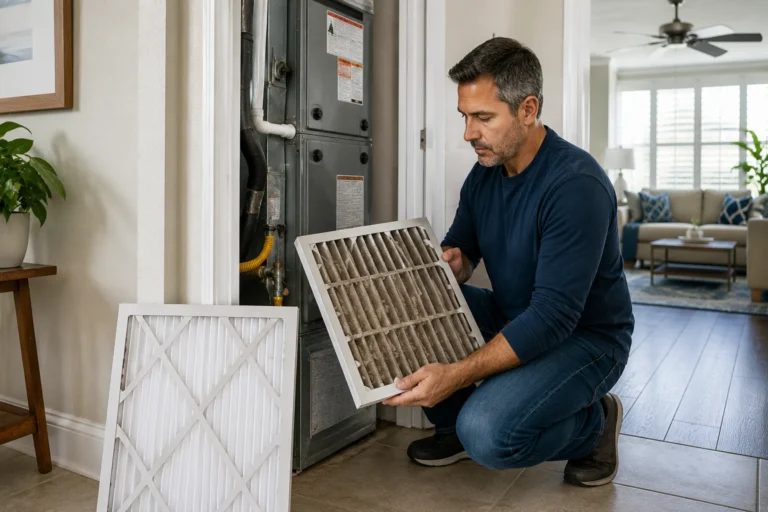
4. Air Filter Changes
Clogged filters restrict airflow, forcing your system to work harder.
This leads to overheating, breakdowns, and premature failure.
5. Climate Conditions
High humidity, dust, and extreme temperatures accelerate wear and tear.
6. System Size
An oversized or undersized system will cycle improperly, reducing efficiency and lifespan.
7. Technology & Build Quality
Higher-quality systems often last longer and perform more efficiently over time.
Warning Signs Your HVAC System Is Near the End
Your HVAC system doesn’t just suddenly fail, it usually gives warning signs.
Common Red Flags:
- Frequent repairs
- Rising energy bills
- Uneven temperatures
- Strange noises (banging, rattling, grinding)
- Weak airflow
- System runs constantly
- Poor indoor air quality
If you’re experiencing multiple issues at once, your system may be nearing the end of its lifespan.
Repair vs. Replace: How to Decide
This is where most homeowners get stuck.
💡 The $5,000 Rule (Simple Guideline)
Multiply the age of your system × repair cost.
- If the number exceeds $5,000 → replacement is usually smarter
- If it’s lower → repair may still make sense
Example:
- System age: 12 years
- Repair cost: $600
- Total: $7,200 → Replace is likely better
Other Factors to Consider:
- Is your system over 10–15 years old?
- Are repairs becoming frequent?
- Is your energy bill increasing?
If you answered yes to multiple questions, replacement is often the better long-term investment.
How to Extend the Life of Your HVAC System
Want to get the most out of your system? Follow these best practices:
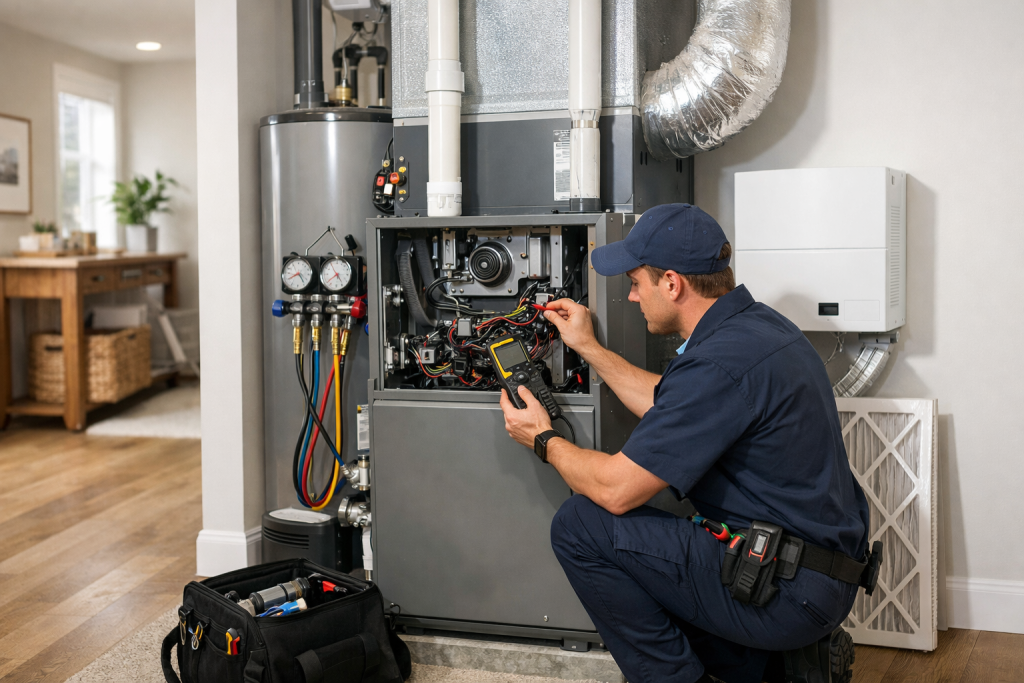
Schedule Annual Maintenance
Professional tune-ups catch small issues before they become expensive problems.
Change Air Filters Regularly
Every 1–3 months is ideal.
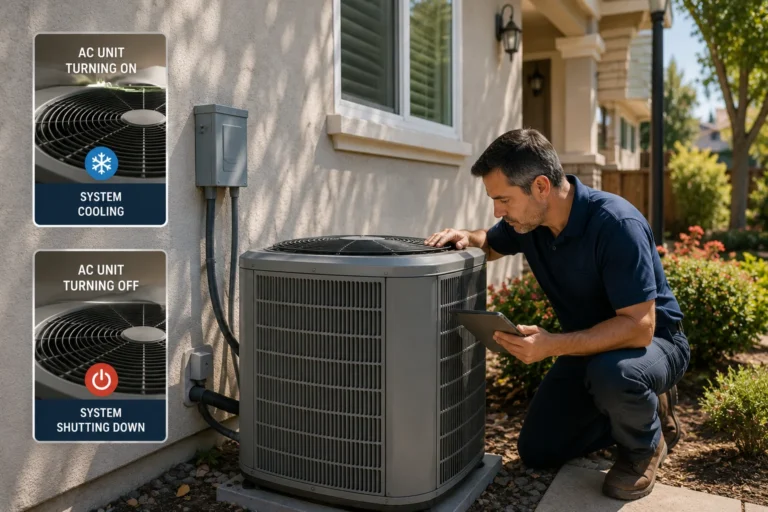
Keep Outdoor Units Clean
Remove debris, leaves, and dirt buildup.
Seal and Insulate Ductwork
Improves efficiency and reduces strain.
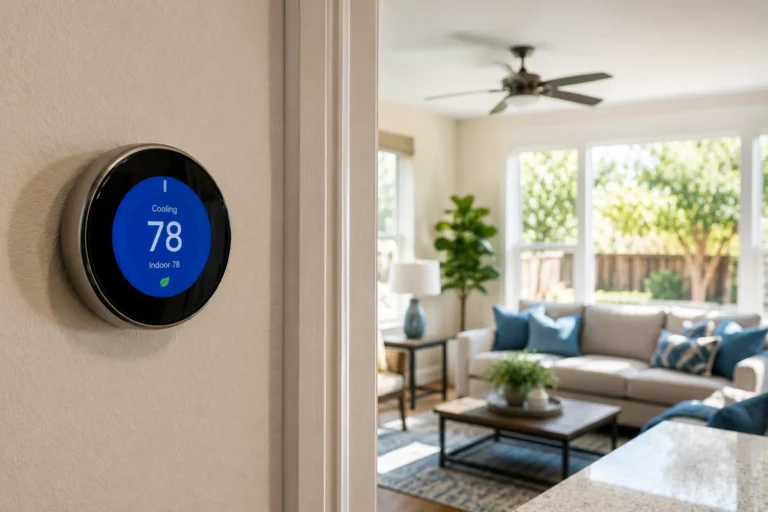
Use a Programmable Thermostat
Reduces unnecessary workload.
Don’t Ignore Small Problems
Minor issues can quickly turn into major repairs.
When Replacement Is the Smart Financial Choice
Sometimes, holding onto an old system costs more than replacing it.
Replace Your HVAC If:
- It’s over 15 years old
- Repairs are frequent and costly
- Energy bills are climbing
- Comfort levels are inconsistent
New systems are significantly more energy-efficient, which means lower monthly bills and better performance.
How Different HVAC Brands Impact System Lifespan
Not all HVAC systems are created equal. The brand you choose can significantly influence how long your system lasts and how efficiently it performs over time.
Key Differences Between Brands:
- Premium brands (like Carrier, Trane, Lennox)
→ Longer lifespan, higher efficiency, better warranties
- Mid-range brands
→ Balanced cost and performance
- Budget brands
→ Lower upfront cost but may wear out faster
However, here’s the truth most homeowners don’t realize:
Installation quality matters more than brand.
A perfectly installed mid-range system will often outlast a poorly installed premium unit.
The Role of Refrigerant in AC Lifespan
Refrigerant plays a critical role in how your air conditioner functions and how long it lasts.
Why It Matters:
Older systems often use R-22 refrigerant, which has been phased out. This creates two problems:
- Repairs become more expensive
- Parts and refrigerant become harder to find
What This Means for You:
If your AC:
- Uses outdated refrigerant
- Is over 10–12 years old
Replacement is often the smarter long-term decision.
How Smart Thermostats Extend HVAC Life
Smart thermostats aren’t just about convenience, they can actually help your HVAC system last longer.
Benefits:
- Reduces unnecessary system cycling
- Maintains consistent temperatures
- Prevents overworking the system
Think of it as cruise control for your HVAC system, keeping everything running smoothly instead of constantly accelerating and stopping.
Seasonal Stress: When HVAC Systems Work the Hardest
Your HVAC system doesn’t experience wear evenly throughout the year.
Peak Stress Periods:
- Summer: AC runs constantly in extreme heat
- Winter: Heating system works overtime
These high-demand seasons accelerate wear and tear.
What You Should Do:
Schedule maintenance:
- Before summer (spring tune-up)
- Before winter (fall tune-up)
This ensures your system is prepared for peak demand.
Hidden Costs of Keeping an Old HVAC System
Many homeowners delay replacement to save money, but this can actually backfire.
Hidden Costs Include:
- Higher energy bills
- Frequent repair expenses
- Reduced home comfort
- Poor air quality
Over time, these costs often exceed the price of a new system.
This is why replacing at the right time is a financial strategy, not just a home upgrade.
HVAC Efficiency Ratings Explained (SEER, AFUE, HSPF)
Understanding efficiency ratings helps you make smarter decisions when replacing your system.
Common Ratings:
Why It Matters:
Higher efficiency systems:
- Use less energy
- Reduce monthly utility costs
- Place less strain on components
👉 Less strain = longer lifespan
The Impact of Indoor Air Quality on HVAC Longevity
Poor indoor air quality doesn’t just affect your health, it also affects your HVAC system.
Common Issues:
- Dust buildup
- Pet dander
- Mold and allergens
These contaminants:
- Clog filters faster
- Restrict airflow
- Force your system to work harder
Solutions:
Cleaner air = less strain on your system.
Final Thoughts
So, how long do HVAC systems last?
While most systems fall within the 10–20 year range, the real answer depends on how well the system is maintained, installed, and used.
The key is to stay proactive. Regular maintenance, early repairs, and smart upgrades can save you thousands over time.
And when the time comes, knowing when to replace instead of repair can make all the difference, not just for your wallet, but for your home comfort as well.