If you’re planning an HVAC upgrade in Tracy, California, you’ve probably noticed one thing: heat pumps are everywhere right now.
Homeowners across California are hearing about lower utility bills, energy rebates, eco-friendly technology, and all-electric heating solutions. At the same time, traditional HVAC systems remain one of the most common and trusted setups in American homes.
So which system actually saves more money long-term?
The answer depends on your home, your energy usage, your comfort preferences, and how long you plan to stay in your house. For many Tracy homeowners, this decision can impact monthly utility costs for the next 10 to 20 years.
Let’s break down the real differences between heat pumps and traditional HVAC systems so you can make the smartest investment possible.
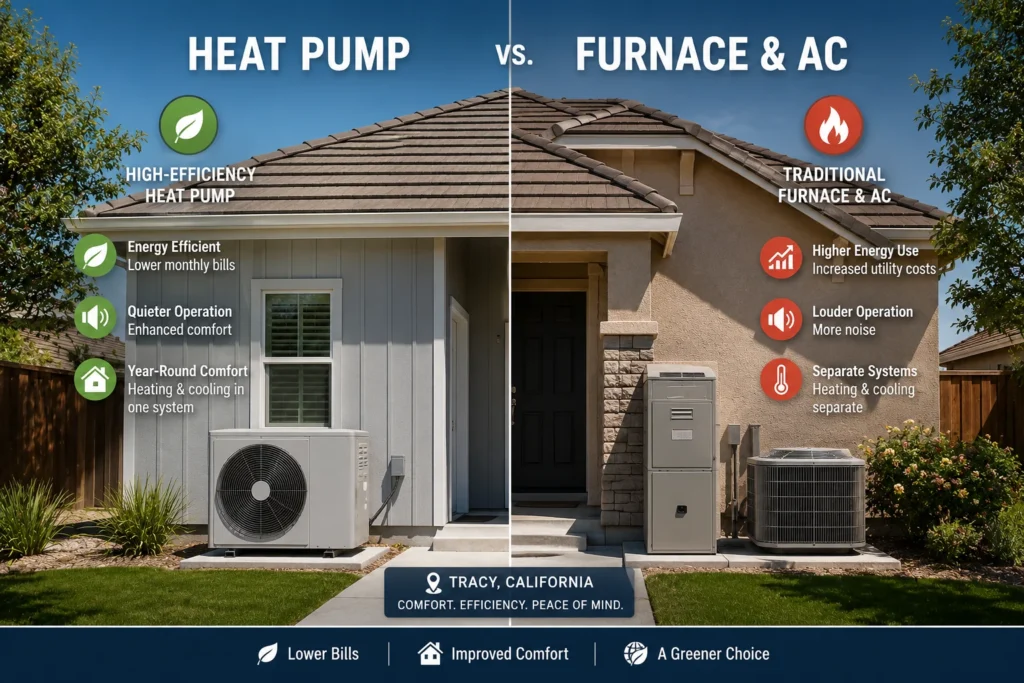
Understanding the Difference Between Heat Pumps and Traditional HVAC
A traditional HVAC system usually includes:
- A furnace for heating
- A central air conditioner for cooling
- Ductwork to distribute air throughout the home
A heat pump, on the other hand, handles both heating and cooling using electricity. Instead of generating heat like a furnace, it transfers heat from one place to another.
Think of it like a refrigerator operating in reverse.
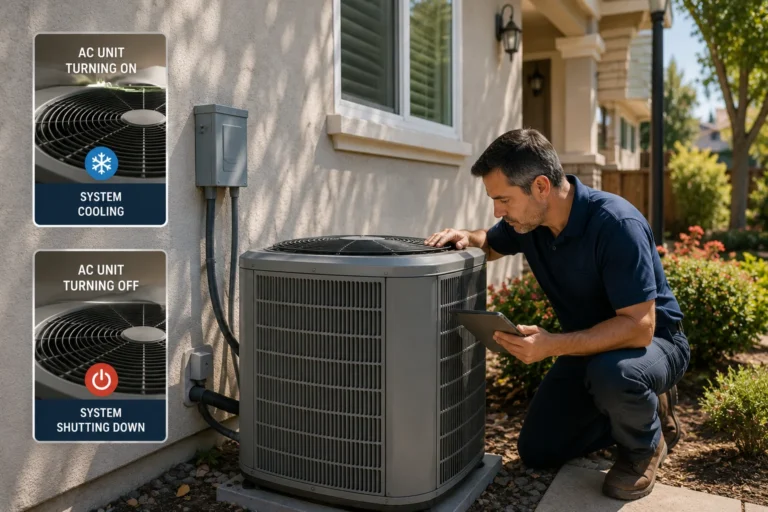
During summer, a heat pump removes warm air from inside your home and pushes it outside. During winter, it pulls heat from outdoor air and moves it indoors.
Because heat pumps move heat instead of creating it, they can use significantly less energy in mild climates like Tracy, CA.
Why Tracy, CA Homeowners Are Reconsidering Their HVAC Systems
Tracy’s climate plays a major role in this conversation.
The city experiences:
- Extremely hot summers
- Mild to moderate winters
- Long cooling seasons
- Increasing electricity and utility costs
This combination creates an ideal environment for modern heat pumps to perform efficiently.
California is also aggressively encouraging homeowners to transition toward electric-powered systems through rebates and energy-efficiency initiatives. As utility prices continue to rise, many homeowners are looking for systems that reduce monthly operating costs instead of simply lowering upfront installation expenses.
That’s why searches for “heat pump installation Tracy CA” and “best HVAC system for California homes” have surged over the last few years.
How a Traditional HVAC System Works
Traditional HVAC systems split heating and cooling into separate components.
Furnace
The furnace generates heat using:
- Natural gas
- Propane
- Electricity
Gas furnaces are especially common because they produce strong, fast heating during colder weather.
Central Air Conditioner
The AC system cools your home by removing indoor heat and releasing it outdoors.
This dual-system setup has been the standard for decades because it’s reliable and familiar to most homeowners.
- Powerful heating performance
- Effective in colder climates
- Familiar technology
- Lower upfront cost in some situations
- Long-standing contractor support
Drawbacks
- Higher energy consumption
- Separate systems mean more components to maintain
- Fossil fuel dependency
- Potentially higher utility bills over time
For homeowners focused on reducing long-term operating costs, these disadvantages are becoming harder to ignore.
How a Heat Pump Works
Heat pumps operate differently because they don’t create heat directly.
Instead, they transfer heat using refrigerant technology and compressors.
In Cooling Mode
The system functions similarly to a traditional AC:
- Heat is removed from indoor air
- Warm air is released outside
- Cool air circulates indoors
In Heating Mode
The process reverses:
- Heat energy is extracted from outdoor air
- Warm air is transferred indoors
Even when outdoor temperatures feel cool, heat energy still exists in the air. Modern heat pumps are extremely efficient at capturing and moving that energy.
Why This Matters in Tracy
Tracy rarely experiences prolonged freezing temperatures. That makes heat pumps highly effective because they perform best in moderate climates.
In places with brutal winters, heat pumps may struggle. But in Central California, they often provide more than enough heating capacity while dramatically reducing energy use.
Upfront Installation Costs Compared
One of the biggest factors homeowners consider is installation cost.
Traditional HVAC Installation Costs
A standard furnace and AC replacement in Tracy can range from:
- $8,000 to $15,000+
(depending on efficiency, ductwork, and home size)
Heat Pump Installation Costs
Modern heat pump systems generally range from:
At first glance, heat pumps can appear more expensive.
However, this comparison doesn’t tell the full story.
Because heat pumps combine heating and cooling into one system, homeowners may avoid paying for separate furnace replacements later.
Additionally, California rebates and federal tax credits can significantly offset installation expenses.
Long-Term Energy Savings: Which System Wins?
For many homeowners, this is the deciding factor.
Heat Pumps Typically Use Less Energy
Because heat pumps transfer heat instead of generating it, they can deliver:
- 2 to 4 times more energy efficiency than conventional heating systems
That can translate into major utility savings over time.
Why Efficiency Matters More in California
California electricity costs are high. However, natural gas prices have also increased substantially.
Efficient equipment matters more today than ever before.
In Tracy, cooling costs often represent the largest portion of annual HVAC expenses because summers are long and extremely hot. Heat pumps excel during cooling season because modern inverter technology adjusts output continuously rather than blasting at full power constantly.
This creates:
- Lower energy usage
- More stable indoor temperatures
- Reduced wear and tear
Estimated Long-Term Savings
While every home is different, homeowners switching from older HVAC systems to high-efficiency heat pumps often report:
- Lower monthly utility bills
- Reduced maintenance costs
- Improved year-round comfort
Over 10 to 15 years, the savings can become substantial.
Heating Performance During Tracy Winters
One common misconception is that heat pumps cannot handle winter weather.
That may have been true decades ago, but modern systems have improved dramatically.
Tracy’s Winters Favor Heat Pumps
Winter temperatures in Tracy are usually mild enough for high-efficiency heat pumps to operate effectively throughout the season.
Unlike colder northern states, homeowners here rarely face prolonged sub-freezing conditions.
Traditional Furnaces Still Produce Stronger Heat
That said, gas furnaces generate hotter air than heat pumps.
Some homeowners prefer:
- Faster warm-up times
- Hotter airflow from vents
- Familiar furnace heating feel
Heat pumps tend to provide:
- More gradual heating
- Consistent indoor temperatures
- Fewer temperature swings
Neither is necessarily “better.” It depends on personal comfort preferences.
Cooling Efficiency During Central Valley Summers
Summer performance is where heat pumps often shine in Tracy.
When temperatures climb into triple digits, HVAC efficiency becomes critical.
Modern Heat Pumps Use Variable-Speed Technology
Unlike older HVAC systems that constantly turn on and off, many heat pumps adjust output gradually.
Imagine driving a car:
- Traditional systems operate like flooring the gas pedal repeatedly
- Variable-speed heat pumps cruise steadily at the needed speed
This creates:
- Better humidity control
- More consistent cooling
- Lower electricity usage
- Quieter operation
For Tracy homeowners battling long summer cooling seasons, this can significantly improve comfort while lowering bills.
Maintenance and Repair Costs Over Time
Every HVAC system requires maintenance.
But maintenance patterns differ between traditional HVAC systems and heat pumps.
Traditional HVAC Maintenance
You may need:
- Furnace inspections
- AC tune-ups
- Burner cleaning
- Heat exchanger inspections
- Gas line evaluations
Because there are separate heating and cooling systems, maintenance can involve more components overall.
Heat Pump Maintenance
Heat pumps generally require:
- Refrigerant checks
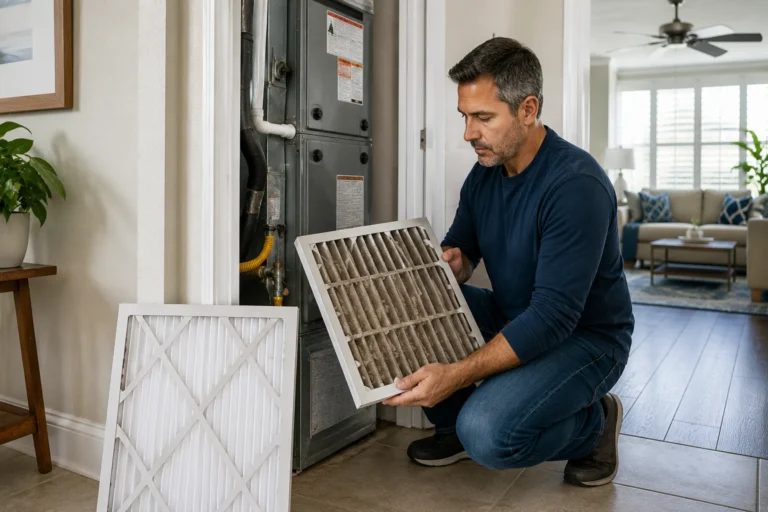
- Coil cleaning
- Electrical inspections
- Airflow testing
Since one system handles year-round operation, consistent maintenance becomes especially important.
Which Costs More to Maintain?
It depends on:
- Equipment quality
- Installation quality
- Usage patterns
- Maintenance consistency
Poor installation can shorten the lifespan of either system dramatically.
Lifespan Expectations for Both Systems
Homeowners should always evaluate HVAC purchases as long-term investments.
Traditional HVAC Lifespan
Typical averages:
- Furnace: 15–20 years
- Central AC: 12–15 years
Heat Pump Lifespan
Typical average:
However, modern high-efficiency heat pumps continue improving rapidly.
Because heat pumps operate year-round, some components experience more consistent use. But advanced inverter technology can also reduce mechanical strain compared to older systems.
Regular maintenance plays a major role in determining longevity.
Indoor Comfort and Air Quality Differences
Comfort involves more than temperature alone.
Modern homeowners increasingly prioritize:
- Indoor air quality
- Humidity control
- Quiet operation
- Air circulation consistency
Heat Pumps Often Deliver More Stable Comfort
Because many systems operate continuously at lower speeds, they maintain steadier indoor temperatures.
This helps reduce:
- Hot and cold spots
- Sudden temperature swings
- Loud startup cycles
Traditional HVAC Systems Can Feel More Powerful
Gas furnaces produce hotter supply air, which some homeowners find more satisfying during winter mornings.
Again, comfort preference is highly personal.
Final Thoughts
Choosing between a heat pump and a traditional HVAC system is no longer a simple question of old versus new technology.
For many Tracy homeowners, the real issue is long-term value.
Heat pumps offer:
- Exceptional energy efficiency
- Lower operating costs
- Cleaner electric-powered performance
- Excellent cooling efficiency for California summers
Traditional HVAC systems still provide:
- Strong heating performance
- Familiar operation
- Potentially lower upfront costs
- Reliable comfort for many homes
The best choice ultimately depends on your:
- Home layout
- Budget
- Utility costs
- Comfort preferences
- Long-term ownership goals
As energy prices continue rising and California pushes toward higher efficiency standards, more homeowners are carefully evaluating whether modern heat pump technology offers a smarter long-term investment.
For many homes in Tracy, the answer is increasingly becoming yes.