Choosing the right HVAC system size for your Tracy home is not just about comfort. It affects your:
- Energy bills
- Indoor air quality
- System lifespan
- Repair frequency
- Overall installation cost
Think of your HVAC system like a car engine. If it’s too small, it strains and overheats. If it’s too big, it burns fuel inefficiently and wears out faster. The same principle applies to heating and cooling systems.
A properly sized HVAC system runs smoothly, maintains consistent temperatures, and operates at peak efficiency. A poorly sized system? That’s where costly installation mistakes begin.
Why Tracy’s Climate Changes the Equation
Tracy, California isn’t just “warm.” It has a unique Central Valley microclimate influenced by:
- Hot, dry summers
- Temperatures frequently exceeding 95–105°F
- Delta breezes that affect evening cooling
- Low humidity compared to coastal regions
Because of this, homeowners searching for what size AC unit do I need in Tracy CA cannot rely on national averages.
An HVAC system that works perfectly in San Francisco may fail miserably in Tracy’s peak summer heat.
That’s why local HVAC sizing in Tracy requires more than a simple square footage formula.
The Biggest Myth: Sizing Based on Square Footage Alone
You’ve probably seen charts like this:
- 1,500 sq ft → 2.5 ton system
- 2,000 sq ft → 3 ton system
- 2,500 sq ft → 4 ton system
While square footage provides a starting point, it ignores critical variables like:
- Ceiling height
- Insulation quality
- Number of windows
- Window direction (west-facing windows are heat magnets in Tracy)
- Duct condition
- Air leakage
- Number of occupants
Relying only on square footage is one of the most common HVAC installation mistakes.
What Is a Manual J Load Calculation?
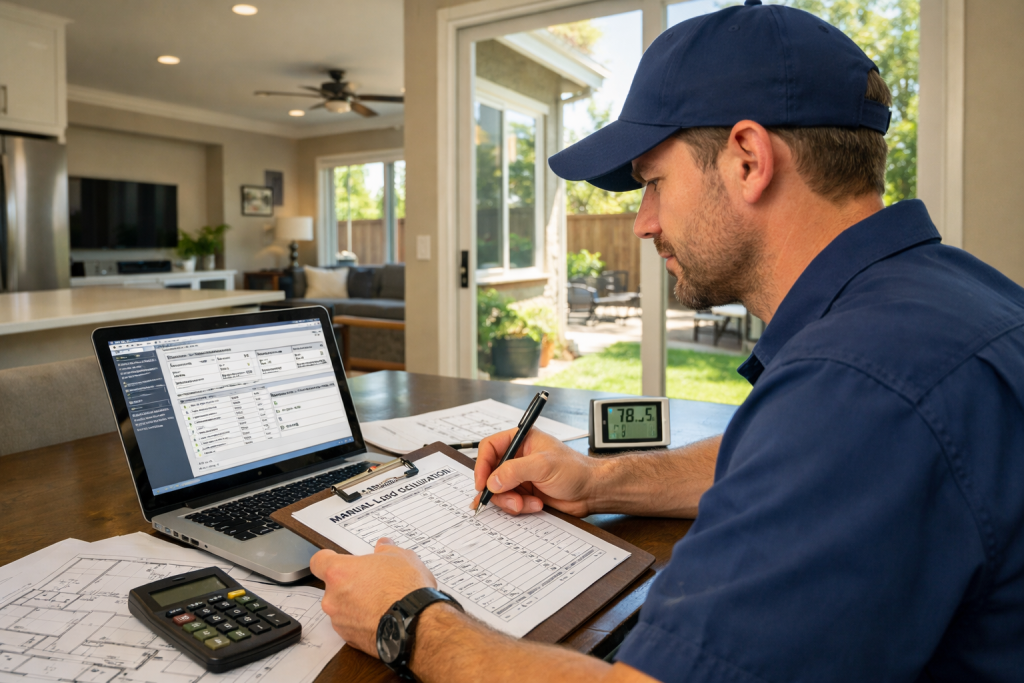
A Manual J load calculation is the gold standard for determining proper HVAC system size.
It evaluates:
- Heat gain through walls
- Heat gain through ceilings
- Solar exposure
- Insulation R-values
- Window efficiency
- Air infiltration
- Local climate data
Instead of guessing, it calculates how much heating and cooling your home actually requires.
If a contractor does not perform a Manual J calculation before recommending a system size, that’s a red flag.
Signs Your Current HVAC System Is the Wrong Size
Many Tracy homeowners don’t realize their system is incorrectly sized until problems appear.
Signs It May Be Too Large:
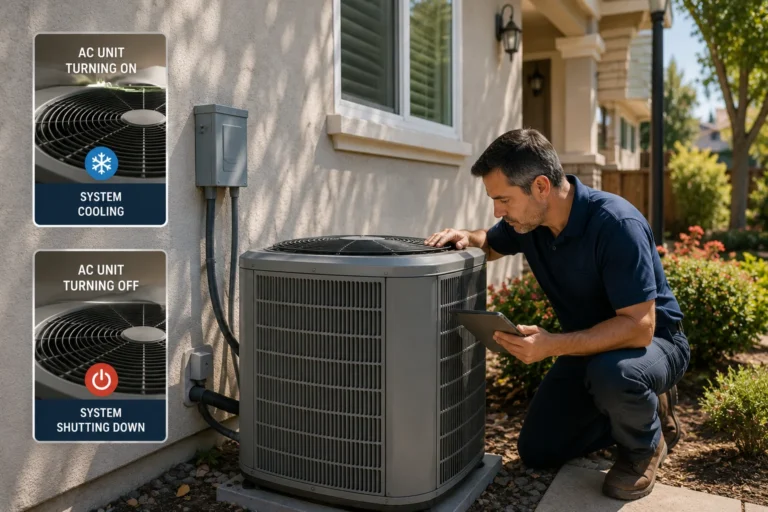
- Short cycling (turns on and off frequently)
- Rooms feel clammy or uneven
- High humidity indoors
- Higher-than-expected energy bills
Signs It May Be Too Small:
- Runs constantly during summer
- Struggles to cool below 78°F on hot days
- Uneven temperatures throughout the home
- System frequently overheating
If you’ve experienced these issues, your HVAC system size for your Tracy home may not match your actual load requirements.
What Happens If Your System Is Too Large
Oversizing might sound like a good idea. More power, right?
Not exactly.
An oversized system cools your home too quickly. That might seem efficient, but it creates problems:
- It shuts off before removing enough humidity
- It causes uneven temperature swings
- It increases wear and tear
- It shortens system lifespan
In Tracy’s dry climate, humidity may not seem like a concern, but rapid cycling still strains compressors and reduces efficiency.
Bigger is not better. Correct is better.
What Happens If Your System Is Too Small
Undersizing creates the opposite problem.
The system runs constantly trying to reach the thermostat setting. That leads to:
- Higher electricity bills
- Premature component failure
- Poor indoor comfort
- Inability to cool during 100°F+ days
In Tracy summers, undersized systems can become overwhelmed during heatwaves, especially in homes with older insulation or large west-facing windows.
Factors That Determine the Right HVAC System Size
Choosing the right HVAC system size involves evaluating multiple factors:
1. Home Square Footage
The baseline measurement.
2. Ceiling Height
Vaulted ceilings increase cooling load.
3. Insulation Quality
Older Tracy homes may lack modern insulation standards.
4. Window Type & Placement
Single-pane windows dramatically increase heat gain.
5. Ductwork Condition
Leaky ducts can reduce system efficiency by up to 30%.
6. Orientation to Sunlight
West-facing exposure significantly increases afternoon heat load.
7. Number of Occupants
Each person adds heat to the indoor environment.
When evaluating HVAC installation in Tracy CA, all of these must be considered together.
Understanding Tonnage and BTUs
HVAC size is measured in tons.
1 ton = 12,000 BTUs (British Thermal Units) per hour.
Typical residential systems range from:
- 2 ton
- 2.5 ton
- 3 ton
- 3.5 ton
- 4 ton
- 5 ton
But tonnage does not equal quality.
The goal is balance, not maximum capacity.
California Energy Efficiency Requirements (Title 24 Basics)
California has strict energy codes under Title 24.
These regulations ensure:
- Proper system efficiency
- Duct sealing standards
- Verified load calculations
- Minimum SEER ratings
Installing the wrong-sized system may fail compliance testing.
That’s another reason professional load calculations matter when replacing your HVAC system in Tracy.
Should You Use an HVAC Sizing Calculator?
Online HVAC sizing calculators can provide a rough estimate. However:
- They rarely factor in Tracy’s specific microclimate
- They ignore duct leakage
- They cannot evaluate insulation behind walls
Think of them as a starting point and not a final answer.
If you’re considering HVAC replacement in Tracy, use calculators only to educate yourself before speaking with a professional.
Additional Considerations for Tracy Homeowners
Ductwork Design Matters
Even a perfectly sized system will struggle if ductwork is poorly designed. Airflow restrictions can mimic undersizing problems.
Zoning Systems
Multi-story homes in Tracy benefit from zoning, which allows different temperature control upstairs vs downstairs.
Future-Proofing Your HVAC Investment
If you plan to add square footage or convert a garage, system sizing should account for future load increases.
The Cost of Getting It Wrong
Incorrect sizing can cost homeowners thousands in:
- Early replacements
- Repeated repairs
- Utility overpayments
- Reduced resale value
Choosing properly protects your long-term investment.
A carefully calculated HVAC system size ensures your Tracy home stays comfortable even during triple-digit heat. Don’t let installation shortcuts compromise your comfort.
How Smart Thermostats Impact HVAC Sizing and Performance
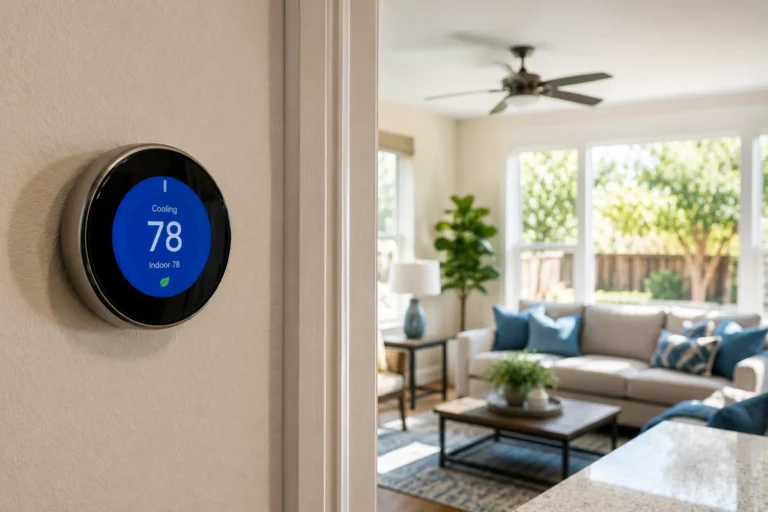
Many homeowners assume that installing a smart thermostat can compensate for an incorrectly sized HVAC system. While smart thermostats are excellent tools for efficiency and scheduling, they cannot fix fundamental sizing problems.
A properly sized HVAC system works in harmony with your thermostat. If your system is oversized, even the most advanced smart thermostat cannot prevent short cycling. The unit will still cool the home too quickly and shut off before completing a full, efficient cycle. That leads to uneven temperatures and unnecessary wear on critical components.
On the other hand, if your system is undersized, a smart thermostat may actually reveal the issue more clearly. You might notice long runtime reports, constant cooling calls during heatwaves, and difficulty reaching your set temperature.
However, when paired with a correctly sized system, smart thermostats truly shine. They:
- Optimize run times
- Adjust cooling schedules based on outdoor conditions
- Reduce peak-hour energy usage
- Improve long-term efficiency
For Tracy homeowners dealing with extreme summer temperatures, combining proper HVAC sizing with smart climate control technology creates the best balance of comfort and cost savings.
Remember: technology enhances performance, but correct system sizing creates it.
Why HVAC Replacement Is the Best Time to Correct Sizing Errors
If your current HVAC system was installed years ago, there’s a strong chance it wasn’t sized using today’s standards. Older installations often relied heavily on square footage estimates rather than detailed load calculations.
HVAC replacement is the ideal opportunity to correct those mistakes.
Over time, your home may have changed. You might have:
- Upgraded insulation
- Installed energy-efficient windows
- Added square footage
- Converted an attic or garage
- Replaced roofing materials
Each of these changes affects your home’s heating and cooling load.
Installing the same size unit “because that’s what was there before” is one of the most common installation shortcuts. Unfortunately, it can lock you into another 10–15 years of inefficiency.
During replacement, a full load calculation ensures your new system reflects your home’s current condition — not outdated assumptions.
For homeowners in Tracy, where summer performance is critical, correcting a past sizing error during HVAC replacement can dramatically improve comfort, reduce repair frequency, and lower monthly energy bills.
When replacing your system, don’t just upgrade the equipment. Upgrade the calculation behind it.
Questions to Ask Before Installing a New System
Before signing a contract, ask:
- Will you perform a Manual J load calculation?
- How do you account for Tracy’s summer heat spikes?
- Will you inspect ductwork?
- What SEER rating is recommended for California?
- What happens if my home fails Title 24 inspection?
These questions protect you from costly installation mistakes.
Final Thoughts on Proper HVAC Sizing
Choosing the right HVAC system size for your Tracy home is not about buying the biggest unit or the cheapest one.
It’s about precision.
A properly sized system delivers:
- Lower energy bills
- Longer equipment lifespan
- Balanced indoor comfort
- Fewer repairs
- Better air quality
Before committing to HVAC installation in Tracy CA, make sure load calculations are performed, ducts are evaluated, and local climate factors are considered.
Because when it comes to HVAC sizing, guessing is expensive, but precision pays off for years.