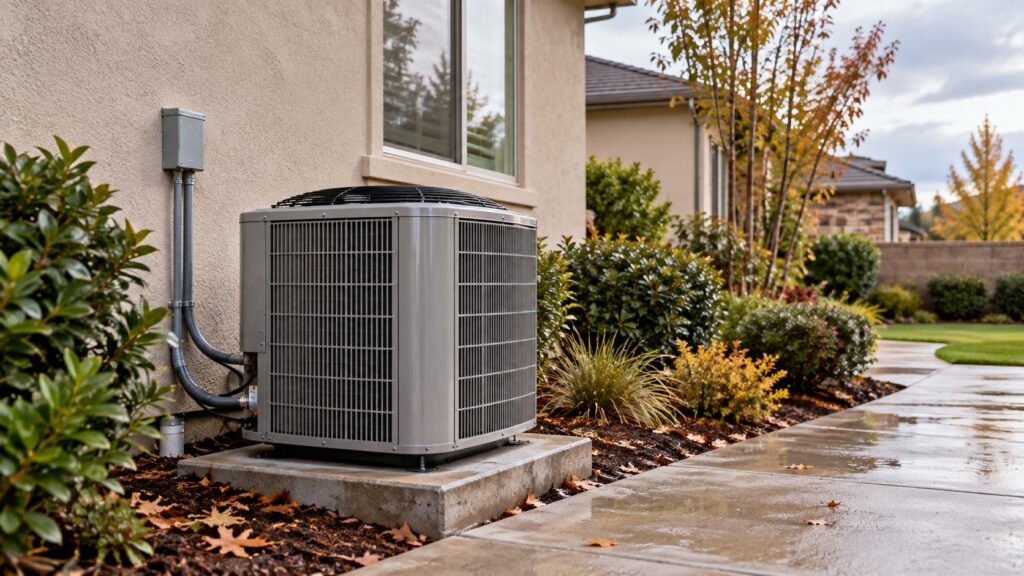
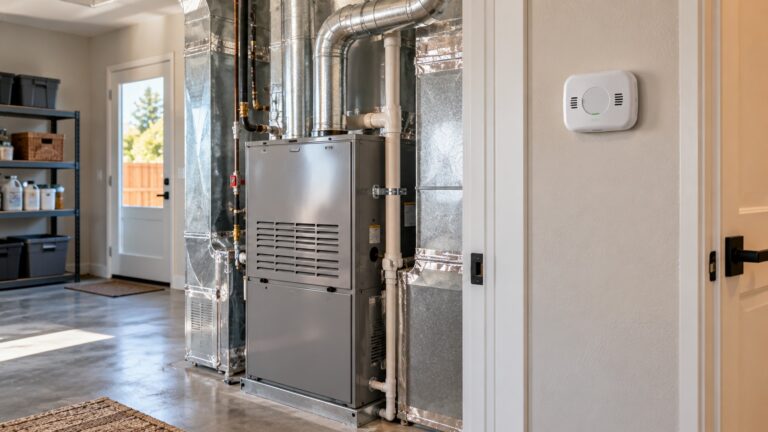
When temperatures begin dropping in Tracy, California, many homeowners start preparing their homes for the cooler months ahead. While checking the heating system and cleaning gutters often make the list, one question frequently gets overlooked: Should you cover your outdoor AC unit in winter?
At first glance, covering your air conditioner seems like a sensible way to protect an expensive piece of equipment from rain, wind, falling leaves, and cold temperatures. After all, protecting something from the elements usually helps preserve its condition, so why wouldn’t the same principle apply to your outdoor AC unit?
The surprising answer is that covering your air conditioner during winter is usually unnecessary, and using the wrong cover can actually create problems. Understanding how outdoor cooling equipment works, what Tracy’s winter weather means for your system, and when limited protection makes sense can help you avoid unnecessary maintenance issues.
Should You Cover Your AC Unit in Winter?
For most homeowners with a conventional central air conditioner, completely covering the outdoor unit during winter is not recommended. Modern outdoor condensers are manufactured to withstand ordinary environmental conditions, including rain, wind, seasonal temperature changes, and occasional freezing weather.
The equipment typically includes weather-resistant cabinets, protective finishes, drainage openings, and components designed for outdoor installation. These features allow the system to remain outside throughout the year without requiring a protective blanket whenever the weather changes.
In fact, a poorly fitted or non-breathable cover can introduce problems that would not otherwise occur. Trapped moisture, restricted ventilation, and increased opportunities for pest activity are among the concerns associated with fully wrapping an outdoor condenser.
Modern air conditioners generally do not require complete winter covering. The manufacturer also explains that certain installations may benefit from limited protection against falling debris, provided the chosen solution does not create other problems.
The most appropriate approach depends on the type of HVAC system, where the equipment is installed, and whether its manufacturer recommends a particular accessory. A cooling-only condenser located beneath a tree may need different attention than a heat pump that provides heating throughout winter.
The Simple Rule for Tracy Homeowners
If your home has a conventional central air conditioner that remains off during winter, leaving the outdoor condenser uncovered is generally an acceptable choice. Keeping the surrounding area clean and checking for visible damage are usually more useful than wrapping the equipment in plastic.
If your home uses a heat pump for heating and cooling, the outdoor equipment needs unrestricted airflow while operating. Covering an active heat pump can interfere with normal performance, so identifying your equipment type is an essential first step.
Why Tracy’s Winter Weather Matters
Tracy experiences a climate characterized by hot, dry summers and comparatively mild, wetter winters. Although freezing temperatures can occasionally occur, homeowners generally encounter more winter rain, moisture, fog, and windblown debris than prolonged periods of heavy snowfall.
That distinction matters because advice written for regions with severe snowstorms may not apply directly to Central Valley homes. Protecting a condenser from heavy rooftop ice accumulation is a different problem from keeping leaves out of an outdoor unit during a rainy California winter.
Historical climate information in the City of Tracy Urban Water Management Plan describes the area’s generally mild winters and notes that most precipitation occurs during the winter season. For homeowners, that makes moisture management and proper drainage particularly important considerations.
Rain and Moisture Around Outdoor Equipment
Rainfall alone does not usually justify installing a full cover over a properly functioning outdoor air conditioner. These systems are designed for outdoor exposure, and their cabinets include openings that allow ordinary precipitation to drain away.
Problems may develop when leaves, soil, landscaping materials, or other obstructions interfere with that drainage. Adding a tightly fitted waterproof cover can worsen the situation if it traps humidity against metal surfaces instead of allowing moisture to escape.
Windblown Leaves and Yard Debris
Tracy homeowners may notice leaves, small branches, and landscaping debris collecting around outdoor equipment during changing weather conditions. This material can accumulate against the condenser cabinet or become lodged near the protective grille.
An outdoor unit positioned beneath overhanging trees deserves occasional visual inspections, especially after windy weather. Removing loose debris from accessible exterior surfaces can help preserve airflow and reduce the amount of material left around the unit until spring.
Occasional Frost and Cold Weather
Cold mornings do not automatically mean that your outdoor air conditioner needs additional insulation. A cooling-only condenser that is not operating generally does not need a blanket or enclosure simply because temperatures approach freezing.
However, visible ice on equipment that operates during winter requires a different assessment because the system may be a heat pump. Light frost can occur during normal heat pump operation, while persistent heavy ice may indicate an airflow, defrost, or equipment problem.
How Outdoor Air Conditioners Handle Winter Weather
An outdoor air conditioner might look vulnerable because its metal cabinet contains coils, electrical connections, refrigerant tubing, and moving components. Nevertheless, manufacturers design these units to function in outdoor environments rather than protected indoor spaces.
During cooling operation, the condenser transfers heat from the home’s refrigerant to the outside air. A fan moves air through the outdoor coil, allowing the refrigeration process to continue efficiently when the system operates under appropriate conditions.
During winter, a conventional cooling-only air conditioner typically remains inactive while the home’s separate heating equipment takes over. Although the system is not operating, its exterior is still exposed to changing temperatures and environmental conditions.
The Purpose of the Outdoor Cabinet
The cabinet provides structural protection and supports the components inside the unit. Protective grilles help prevent accidental contact with the fan and coil while allowing air to move through the system.
The cabinet is not intended to create a completely airtight environment around the equipment. Ventilation and drainage remain important, which helps explain why sealing the entire unit inside an impermeable cover may be counterproductive.
Why Outdoor Coils Need Open Space
The condenser coil depends on moving air to perform its job when the air conditioner runs. If surrounding vegetation, stored objects, or coverings restrict airflow, the equipment may struggle to release heat properly.
Even when the cooling system is inactive, maintaining an unobstructed surrounding area reduces the likelihood that accumulated debris will interfere with its next operating season. Think of the condenser as a piece of machinery that needs breathing room rather than an object that benefits from being tightly packaged.
The Risks of Completely Covering Your AC
Although a full winter cover may appear protective, it can create conditions that are unfavorable for outdoor HVAC equipment. The most important concerns involve trapped moisture, corrosion, pest activity, and accidental operation with restricted airflow.
Trapped Moisture and Condensation
A waterproof cover can prevent rain from directly reaching certain surfaces while also restricting the movement of humid air. When temperature changes cause condensation beneath the material, that moisture may remain trapped against the cabinet.
This situation is similar to wrapping a slightly damp outdoor object in plastic and leaving it undisturbed for several months. Instead of allowing the object to dry naturally, the covering creates an environment where moisture can linger.
Increased Risk of Rust and Corrosion
Metal surfaces can develop corrosion when moisture remains in contact with vulnerable areas for extended periods. Although outdoor condensers incorporate protective materials, scratched finishes, exposed fasteners, and aging components may be more susceptible.
A cover that repeatedly holds moisture against the equipment can contribute to those conditions. This does not mean every covered condenser will rust, but it introduces an avoidable risk when full enclosure is unnecessary.
Pests Seeking Shelter
A tightly wrapped outdoor unit may create a sheltered space that appeals to insects or small animals during cooler weather. Rodents can sometimes nest around HVAC equipment, and damaged wiring or accumulated nesting material may require professional attention.
A cover does not automatically cause an infestation, but it can make the surrounding environment more inviting. Regular inspection and keeping nearby vegetation trimmed are more dependable preventive habits than assuming the cover will keep pests away.
Accidental Operation With the Cover Installed
Another concern arises when homeowners forget that the condenser has been covered before switching on the cooling system. A cover that obstructs the outdoor fan or surrounding coil can interfere with airflow and potentially damage the equipment.
Unexpected warm days are not unusual during seasonal transitions in California, making this oversight particularly relevant. Any approved cover installed for a cooling-only system must be removed before the equipment is operated.
Problems With Improvised Materials
Plastic tarps, garbage bags, heavy blankets, and tightly secured vinyl sheets are poor substitutes for properly designed HVAC accessories. These materials can block drainage openings, retain moisture, and interfere with the unit’s normal ventilation.
Heavy objects placed directly on top of a condenser can also damage the cabinet or fan grille if they are not appropriate for that equipment. Homeowners should follow the manufacturer’s instructions rather than improvising a cover that introduces additional hazards.
When an AC Cover Might Actually Help
Despite the disadvantages of full coverings, there are situations where limited seasonal protection may be appropriate. The important distinction is between shielding vulnerable areas from specific hazards and enclosing the entire condenser.
A manufacturer-approved protective accessory may help when an outdoor unit receives excessive falling leaves, seeds, or other debris. The accessory should be compatible with the equipment and should not prevent necessary drainage or airflow.
Outdoor Units Installed Beneath Trees
A condenser located directly beneath a large tree may collect more debris than one installed in an open area. Leaves and small twigs can enter the top grille or accumulate around the coil, particularly during windy weather.
In this situation, a properly designed top-only protector may reduce material entering the cabinet during the off-season. Homeowners should confirm compatibility with their equipment rather than assuming every generic cover is suitable.
Locations Exposed to Falling Debris
Some outdoor installations are positioned beneath roof edges, balconies, or landscaping features that create additional exposure to falling material. Depending on the hazard, correcting the source of falling debris may be more effective than covering the equipment.
If a physical protective barrier is necessary, it should be designed and installed without obstructing the condenser or creating a new hazard during windy conditions. A qualified HVAC professional can evaluate whether a manufacturer-approved solution makes sense.
Extended Periods Without AC Operation
A conventional cooling-only system that remains unused for several months may benefit from an approved seasonal debris protector in certain environments. However, an extended period of inactivity does not automatically make a full wrap appropriate.
The manufacturer may specify whether an accessory should be used and how the system must be secured before installation. Those instructions should take priority over general recommendations found on product packaging or online discussions.
Different Types of AC Covers Explained
Not all air conditioner covers work the same way, and their differences can determine whether they provide useful protection. Understanding the available designs helps homeowners avoid choosing an accessory simply because it looks waterproof or durable.
Full Vinyl and Plastic Covers
Full covers generally surround the top and sides of the outdoor cabinet, sometimes extending nearly to the ground. While they may block falling leaves and direct rain exposure, impermeable versions can restrict ventilation and retain moisture.
This design is especially unsuitable for equipment that must operate during winter. Even for inactive cooling-only condensers, full covers should not be used unless the equipment manufacturer specifically permits the chosen product and installation method.
Breathable Fabric Covers
Breathable covers are designed to allow some air movement rather than sealing the entire unit inside waterproof material. Certain manufacturers offer approved winter accessories that can provide seasonal protection in appropriate circumstances.
However, breathable does not mean suitable for operation, and fabric can still interfere with airflow if left installed while the system runs. Homeowners should treat a cover as a model-specific accessory rather than a universal HVAC requirement.
Top-Only Condenser Covers
A top-only cover shields the upper grille while leaving the cabinet sides more open to ventilation. Depending on the model, this design may help reduce leaves and other falling debris without completely enclosing the equipment.
Custom Manufacturer Accessories
Certain HVAC manufacturers offer protective components designed specifically for their equipment. These accessories may be preferable to generic products because their dimensions and intended uses are established for compatible models.
Before purchasing any cover, check the model information on the outdoor unit and consult its documentation. A product suitable for one condenser may not be appropriate for another, particularly when the outdoor equipment is a heat pump rather than a cooling-only air conditioner.
Why Heat Pumps Should Never Be Covered During Operation
One of the most important distinctions in winter HVAC maintenance is the difference between a central air conditioner and a heat pump. Although the outdoor units may look similar, they can have very different responsibilities during colder months.
A conventional air conditioner provides cooling, while a heat pump can provide both heating and cooling by reversing the refrigeration process. During winter, the heat pump’s outdoor unit may continue running regularly to extract heat from outside air and transfer it indoors.
That process requires air to move through the outdoor coil and discharge through the fan. Blocking those pathways with a cover can disrupt the equipment’s operation and potentially lead to performance problems or damage.
How Heat Pumps Work During Winter
Even when outdoor temperatures feel cold, the surrounding air can contain usable heat energy. An air-source heat pump absorbs some of that energy and uses its refrigeration system to deliver heat inside the home.
The outdoor coil becomes cold during this process, which means moisture in the surrounding air can sometimes accumulate as frost. Heat pumps incorporate defrost controls to address normal frost formation during appropriate operating conditions.
How to Identify Your Outdoor Equipment
If you are uncertain whether your home has an air conditioner or heat pump, begin by checking your thermostat and equipment documentation. A thermostat featuring auxiliary or emergency heat settings may indicate a heat pump, although thermostat labels alone are not definitive.
You can also inspect the accessible model information on the outdoor cabinet without removing any protective panels. Manufacturer documentation or an HVAC technician can confirm the equipment type and provide model-specific maintenance instructions.
What About Heat Pumps That Are Not Operating?
A heat pump that has been temporarily switched off still requires care because it may restart through its thermostat, controls, or an automatic operating sequence. Homeowners should not cover it simply because the outdoor fan happens to be stationary at a particular moment.
If long-term equipment shutdown or protection is necessary, follow the manufacturer’s instructions and obtain appropriate technical guidance. The safest general practice for an operating residential heat pump is to keep its outdoor air passages unobstructed throughout the year.
How to Protect Your Outdoor AC Without Covering It
Good winter air conditioner protection often depends more on maintaining the surrounding environment than adding accessories. A clean, accessible installation helps prevent common problems while preserving the equipment’s original design.
These straightforward practices can make a meaningful difference without requiring homeowners to open electrical compartments or work with refrigerant components. They also help keep the outdoor equipment ready for inspection when warmer temperatures return.
Maintain Clearance Around the Condenser
Shrubs, vines, weeds, and other vegetation can grow into the space surrounding outdoor HVAC equipment. Keeping these plants trimmed back helps prevent airflow restrictions and reduces the amount of organic material accumulating against the cabinet.
Trane recommends keeping plants at least two feet away from central air-conditioning equipment as a general maintenance guideline. Always follow the specific clearances in your unit’s installation manual, particularly around its top discharge and service-access areas.
Remove Loose Leaves and Debris
Leaves can accumulate along the base of the condenser, especially when wind pushes yard debris into corners or enclosed spaces. Periodically removing loose material from the surrounding ground helps prevent buildup near the unit.
For accessible exterior debris, use gentle cleaning methods and avoid pushing tools into the coil or grille. If material is lodged deep inside the cabinet, leave internal cleaning to a qualified technician rather than attempting to dismantle the equipment.
Keep Drainage Paths Open
Outdoor condensers need to remain positioned where water can drain appropriately. If the surrounding ground develops standing water after rainfall, it may be worth evaluating the installation and nearby landscape drainage.
A condenser should not be left sitting in accumulated water or surrounded by soil that repeatedly washes against its cabinet. Drainage corrections may require assistance from a suitable professional, especially when the equipment pad has shifted or become unstable.
Check Nearby Gutters and Downspouts
Overflowing gutters can send concentrated streams of water directly onto outdoor HVAC equipment. Although normal rainfall is expected, persistent runoff from a roof drainage problem may place unnecessary stress on the installation.
Inspect the gutter system from a safe location and look for obvious signs of overflow during rainy weather. Directing roof runoff away from the condenser can address the underlying exposure without requiring a tightly sealed equipment cover.
Protect the Unit From Landscaping Damage
Outdoor HVAC equipment can suffer accidental damage during yard maintenance, particularly when string trimmers or gardening tools contact delicate coil fins. Keeping lawn equipment away from the condenser helps preserve these exposed components.
Avoid storing bags of soil, gardening supplies, outdoor furniture, or seasonal decorations beside the unit. These objects can obstruct airflow, restrict service access, and create additional places where leaves or pests collect.
How to Prepare Your AC for Winter in Tracy
Preparing a conventional air conditioner for winter does not need to involve complicated procedures. A thoughtful seasonal inspection focuses on cleanliness, visible equipment condition, and whether anything nearby could interfere with future operation.
The following steps are particularly relevant as Tracy transitions from its hot cooling season into cooler, wetter weather. They should supplement, rather than replace, the maintenance instructions provided by your equipment manufacturer.
Step 1: Confirm That the Cooling Season Has Ended
Before considering seasonal protection, determine whether the household still expects to use air conditioning. Tracy can experience warm afternoons outside the peak summer months, so homeowners should avoid assuming their cooling needs have permanently ended after the first chilly morning.
For a cooling-only system, an approved seasonal accessory should only be installed when the unit will not operate. Any equipment shutdown procedure must follow its manufacturer’s instructions, and electrical components should never be handled casually.
Step 2: Inspect the Outdoor Cabinet
Look for visible dents, loose exterior panels, unusual corrosion, or evidence that something has struck the unit. An occasional visual inspection can reveal developing issues before they become more difficult to address.
Do not remove cabinet panels or reach into the fan compartment during this inspection. The outdoor unit contains electrical components that can remain hazardous even when the thermostat is switched off.
Step 3: Clear the Surrounding Ground
Remove fallen leaves, grass clippings, loose branches, and other debris from the area immediately surrounding the condenser. Pay attention to corners where wind tends to collect lightweight material and where moisture may remain after rain.
Check that shrubs have not grown into the equipment’s required clearance space. Keeping the surrounding ground orderly makes it easier to identify unusual water accumulation or signs of animal activity.
Step 4: Look for Obvious Drainage Problems
After rainfall, observe whether water is collecting around the outdoor equipment or whether the surrounding surface drains normally. Standing water that persists near the condenser may indicate a grading, drainage, or equipment-pad issue.
Do not attempt to lift, tilt, or reposition the condenser yourself. Refrigerant tubing, electrical wiring, and equipment supports can be damaged when the unit is moved without proper procedures.
Step 5: Review the Equipment Manual
Check the manufacturer’s instructions before adding any accessory or changing the equipment’s seasonal configuration. The manual may identify approved protective products, operating restrictions, minimum clearances, and maintenance precautions.
If the original manual is unavailable, the outdoor unit’s model number can help locate appropriate documentation. Following model-specific instructions is more reliable than assuming all outdoor HVAC systems have identical winter requirements.
Step 6: Address Existing Equipment Problems
Winter preparation should not be used to conceal problems that developed during the summer. Unusual noises, recurring cooling issues, visible component damage, or unexplained electrical interruptions deserve appropriate evaluation.
A cover cannot correct worn components, refrigerant problems, or deteriorating wiring. Addressing these concerns separately helps ensure the cooling system does not enter the next warm season with unresolved defects.
Common Winter AC Maintenance Mistakes
Well-intentioned homeowners sometimes take protective measures that interfere with their HVAC equipment’s intended operation. Recognizing these mistakes is useful because avoiding unnecessary interventions can be just as important as performing routine maintenance.
Assuming Every Outdoor Unit Needs a Cover
An outdoor cabinet that looks exposed is not necessarily unprotected. The manufacturer has already accounted for normal weather exposure when designing equipment intended for permanent outdoor installation.
Before buying an accessory, identify the specific problem you are trying to prevent. If there is no unusual debris exposure or manufacturer recommendation, a cover may offer little practical benefit.
Wrapping the Equipment Too Tightly
A cover that hugs the cabinet on every side may restrict air movement and retain humidity. This can be particularly concerning during rainy weather when the equipment is repeatedly exposed to damp conditions.
A full plastic wrap may look neat and secure, but appearance does not establish whether it is appropriate. Ventilation, drainage, and equipment compatibility matter much more than achieving a tightly packaged appearance.
Forgetting to Remove a Seasonal Cover
A covered condenser can become easy to overlook after several months of cooler weather. When the first hot day arrives, someone may lower the thermostat without realizing the outdoor unit remains obstructed.
This mistake can interfere with normal airflow and potentially damage the air conditioner. Removing any approved seasonal cover and checking the equipment before cooling operation are important parts of spring preparation.
Using High-Pressure Water to Clean the Unit
A pressure washer may seem like an efficient way to remove winter dirt from the outdoor condenser. However, excessive water pressure can bend delicate coil fins and damage components that were not designed to withstand concentrated spray.
Homeowners should follow their equipment’s cleaning instructions and avoid spraying electrical compartments. When substantial coil contamination is present, professional cleaning is preferable to aggressive cleaning methods that may create additional problems.
Ignoring Signs of Animal Activity
Small animals may shelter around outdoor equipment even when no winter cover is present. Nesting material, chewed insulation, or unusual debris near the cabinet may indicate that the area requires closer examination.
Avoid reaching into the unit or handling potentially damaged electrical wiring. If you suspect internal nesting or component damage, have the equipment inspected before returning it to service.
Warning Signs That Your Outdoor Unit Needs Attention
Winter is an opportunity to notice visible changes that might otherwise go undetected during daily air conditioner operation. Although not every cosmetic issue indicates a mechanical problem, certain observations deserve further attention.
Unusual Rust or Corrosion
Small areas of surface discoloration may not affect system operation, but expanding corrosion should not be ignored. Rust around cabinet seams, mounting points, or other vulnerable areas may indicate recurring moisture exposure or deteriorating protective finishes.
An HVAC technician can determine whether corrosion is primarily cosmetic or has affected equipment components. Covering the rust does not correct the moisture conditions or structural problems contributing to its development.
Loose or Damaged Electrical Components
Visible wiring damage, unusual electrical odors, or evidence of scorching should be treated seriously. Outdoor HVAC units contain high-voltage components, and homeowners should not open the cabinet to investigate suspected electrical failures.
Keep the system off and obtain professional evaluation when electrical damage is suspected. Avoid operating the equipment merely to see whether the problem disappears after the weather improves.
A Shifted or Uneven Condenser
The outdoor unit should remain securely supported on an appropriate pad or mounting structure. If the equipment appears noticeably tilted, unstable, or affected by ground movement, its installation may require inspection.
An uneven installation can create concerns involving drainage, vibration, and connected components. Repositioning the unit without proper training risks damaging the refrigerant lines or electrical connections.
Persistent Ice on an Operating Heat Pump
Some frost formation can be normal when a heat pump extracts heat from cold outdoor air. The equipment’s defrost cycle is designed to manage this condition under normal circumstances.
However, heavy ice that persists, blocked airflow, or a system that no longer heats properly may indicate a problem requiring service. Do not use sharp tools or improvised heating devices to remove ice from the coil.
How Winter Preparation Affects Summer Performance
A conventional air conditioner may remain inactive through much of the winter, but its condition still matters when summer arrives. Obstructions, damaged components, and neglected maintenance can affect how effectively the equipment operates after its seasonal shutdown.
In Tracy, where summer heat places substantial demand on residential cooling systems, dependable operation becomes especially important. Winter preparation should therefore focus on preserving equipment condition rather than simply making the outdoor unit look protected.
Clean Coils Support Heat Transfer
The condenser coil releases heat from the refrigerant into the outdoor air during cooling operation. When dirt and debris accumulate on coil surfaces, they can interfere with the exchange of heat and reduce operating efficiency.
Keeping vegetation and loose debris away from the unit helps limit unnecessary accumulation. Professional coil cleaning may still be needed when contaminants become embedded in the coil or the manufacturer recommends periodic service.
Clear Airflow Helps the System Operate Properly
An air conditioner depends on an adequate supply of outside air to transfer heat. Restricted airflow can increase operating stress and may contribute to elevated energy consumption or cooling performance problems.
Removing a winter cover is only part of restoring proper airflow before summer. Homeowners should also check for shrubs, stored objects, or windblown debris that may have appeared around the condenser during the cooler months.
Seasonal Inspections Can Reveal Developing Problems
A winter inspection may reveal cabinet damage, drainage issues, or evidence of pest activity that went unnoticed previously. Discovering these conditions before summer provides an opportunity to address them without waiting for a cooling failure.
However, a visual inspection alone cannot establish whether refrigerant pressures, electrical components, or internal operating conditions are correct. Those assessments require appropriate instruments and qualified service procedures.
A Cover Cannot Replace Preventive Maintenance
It is tempting to think that keeping an outdoor unit covered for several months means it will need less attention afterward. In reality, covering the cabinet does not maintain electrical connections, clean inaccessible components, or identify mechanical wear.
Scheduled inspections remain important regardless of whether the outdoor equipment was covered during its inactive season. Homeowners should base service intervals on manufacturer guidance, system condition, and actual operating demands.
What to Do Before Turning Your AC Back On
When the weather begins warming again, homeowners often turn their attention from heating to cooling. Before starting a conventional air conditioner that has remained inactive through winter, a few basic checks can help identify obvious obstacles.
These steps do not require opening electrical panels or working with refrigerant components. Their purpose is to confirm that the equipment has no visible obstructions and that any temporary protection has been removed.
Remove All Seasonal Coverings
If an approved winter cover was installed over a cooling-only condenser, remove it completely before operating the air conditioner. Check that no straps, loose fabric, or protective panels remain near the fan or airflow openings.
Do not assume a partially loosened cover will move harmlessly out of the way once the equipment starts. The outdoor fan requires unobstructed operation, and loose materials can create a serious mechanical hazard.
Check the Area Around the Condenser
Look for leaves, branches, vegetation, or other objects that collected near the unit over winter. Remove loose exterior debris that can be cleared safely without reaching into the cabinet or disturbing equipment components.
Pay particular attention to the condenser’s discharge area and the clearance around its sides. If a large amount of debris has accumulated inside the cabinet, internal cleaning should be handled by an appropriately trained professional.
Inspect for Visible Damage
Look for signs of animal activity, damaged wiring, missing exterior fasteners, or significant changes in the condenser’s position. These observations may help identify whether the equipment needs attention before returning to operation.
If anything appears electrically unsafe or structurally damaged, do not start the system to test it. An equipment inspection is more appropriate than attempting to diagnose potentially hazardous conditions through repeated operation.
Confirm Normal Cooling Operation
After the system has been cleared for operation, use the thermostat to request cooling under appropriate outdoor temperature conditions. Give the system time to respond, accounting for any built-in compressor protection delay that may prevent immediate startup.
Listen for unfamiliar noises and observe whether the home begins cooling normally. If the equipment fails to start, repeatedly shuts down, or operates unusually, avoid repeated resets and have the problem evaluated.
Making the Right Decision for Your Home
Whether you should cover your outdoor AC unit in winter depends on the equipment type, installation location, manufacturer guidance, and specific environmental hazards. There is no need to treat a winter cover as an essential purchase for every home.
For most conventional central air conditioners, leaving the condenser uncovered while maintaining proper clearance and cleanliness is a practical approach. Limited, manufacturer-approved protection may make sense where heavy leaf accumulation or falling debris presents a particular concern.
For heat pumps, the decision is more straightforward because the outdoor equipment may be essential to winter heating. Keep the airflow openings clear during operation, and never install a cover that interferes with the unit’s heating or defrost functions.
Homeowners should also remember that Tracy’s relatively mild winters bring their own maintenance considerations. Rainwater drainage, moisture accumulation, windblown debris, and seasonal landscaping changes are often more relevant than preparing a residential condenser for heavy snowfall.
A thoughtful maintenance routine includes inspecting accessible exterior surfaces, keeping nearby vegetation under control, and following model-specific recommendations. These straightforward habits help preserve the equipment without introducing unnecessary complications from improper seasonal coverings.
Ultimately, protecting your outdoor air conditioner means understanding what the equipment actually needs rather than automatically shielding it from every change in weather. For homeowners in Tracy, California, that approach supports sensible long-term equipment care and reflects the practical heating and cooling knowledge associated with AC Heating & Cooling Services.