Imagine settling into your living room on a chilly Tracy evening, expecting your furnace to keep the house comfortably warm. Instead, you hear the heating system start, run briefly, and unexpectedly shut down before the room reaches your desired temperature.
A few minutes later, the furnace starts again, only to repeat the same frustrating cycle. If you’re wondering, “Why does my furnace keep turning off?” several mechanical, electrical, and airflow-related problems could explain the behavior.
Your furnace is designed to operate in controlled heating cycles, responding to temperature changes detected by your thermostat. However, when those cycles become unusually short, frequent, or unpredictable, the system may be struggling with an issue that deserves attention.
Sometimes, the explanation is as simple as a clogged air filter or incorrect thermostat setting. Other situations involve ignition components, overheating protection, or ventilation problems that require professional furnace repair.
Understanding the difference helps homeowners recognize which issues are manageable and which require qualified technical assistance. More importantly, it helps prevent small heating problems from developing into uncomfortable or potentially unsafe situations.
Understanding Normal Furnace Cycles vs. Short Cycling
Before assuming something is wrong with your heating system, it helps to understand how a properly functioning furnace operates. Not every shutdown indicates a malfunction, because stopping and restarting are normal parts of temperature regulation.
How a Normal Furnace Heating Cycle Works
When your indoor temperature drops below the thermostat setting, the thermostat signals your heating system to begin operating. A typical modern gas furnace then completes its ignition sequence, warms the heat exchanger, and circulates heated air throughout your home.
Once the thermostat detects that your home has reached the desired temperature, it tells the furnace to stop producing heat. The blower may continue running briefly afterward to move remaining heat through the ductwork.
The furnace stays off until the temperature falls enough to trigger another heating cycle. This process helps maintain comfortable indoor temperatures without requiring the system to run continuously.
Actual heating cycle lengths vary depending on outdoor weather, equipment design, thermostat controls, and your home’s insulation. A short cycle is therefore a clue to investigate rather than proof of a particular mechanical failure.
What Is Furnace Short Cycling?
Furnace short cycling occurs when a heating system repeatedly stops and restarts without completing its expected heating operation. Instead of providing sustained warmth, the equipment operates in brief bursts that may leave indoor temperatures inconsistent.
For example, your furnace might ignite, operate for a few minutes, shut down, and restart shortly afterward. If this happens repeatedly while your thermostat still calls for heat, the furnace may be experiencing short cycling.
Short cycling can increase component wear, reduce comfort, and contribute to unnecessary energy consumption. According to Trane’s furnace short-cycling guidance, restricted airflow, thermostat problems, improperly sized equipment, and limit-switch issues are among the possible causes.
However, short cycling describes the behavior rather than identifying the underlying problem. Finding the actual cause requires understanding when the furnace stops and what happens immediately beforehand.
Common Causes of a Furnace That Keeps Shutting Off
Several components must work together for a furnace to produce heat safely and consistently. When one component stops functioning correctly, the system may shut down to prevent damage or because it can no longer complete its operating sequence.
The following problems are common explanations for a furnace that keeps shutting off unexpectedly. Although some symptoms overlap, each cause affects the heating system in a different way.
1. A Dirty or Clogged Furnace Air Filter
One of the first things homeowners should investigate is the condition of their furnace air filter. As dust, pet hair, and other particles accumulate, the filter can restrict the amount of air moving through the heating system.
When airflow becomes insufficient, heat may build up inside the furnace faster than the blower can transfer it into your home. This can trigger a protective temperature limit that shuts down the burners to prevent excessive heat.
The furnace may restart after cooling, only to experience the same problem during its next heating attempt. That repeated pattern can make a simple airflow restriction look like a complicated equipment failure.
Check your filter according to the manufacturer’s instructions and replace it when necessary. The U.S. Department of Energy explains that clogged HVAC filters can reduce airflow and increase equipment wear and energy consumption.
2. Blocked Supply Vents or Return Air Grilles
Even a clean filter cannot compensate for severely restricted airflow elsewhere in your heating system. Closed registers, blocked return grilles, and poorly arranged furniture can interfere with the movement of air through your home.
Imagine trying to breathe comfortably while someone partially covers your nose and mouth. Your furnace can experience a similar airflow problem when too many passages are obstructed.
Supply vents deliver heated air into individual rooms, while return grilles allow indoor air to flow back toward the furnace. Both sides of this circulation process need adequate clearance for the system to operate as designed.
Walk through your home and look for furniture, rugs, curtains, or stored belongings covering accessible registers. Reopen supply vents that have been closed without an HVAC professional’s recommendation, while avoiding adjustments to internal duct dampers you do not understand.
If airflow remains weak despite open vents and a clean filter, additional restrictions may exist inside the ductwork or blower assembly. These issues require further investigation rather than repeated changes to the thermostat.
3. Furnace Overheating and High-Limit Switch Activation
Your furnace includes safety controls designed to respond when internal operating conditions become abnormal. One important component is the high-limit switch, which monitors temperatures and helps protect the equipment from overheating.
If the furnace becomes excessively hot, the limit switch can interrupt burner operation. Depending on the equipment, the circulating fan may continue running to help cool the furnace.
A homeowner might notice warm air suddenly becoming cooler even though the thermostat continues requesting heat. After the equipment cools sufficiently, some systems may attempt another heating cycle.
The underlying problem could involve restricted airflow, blower performance, or another condition preventing proper heat transfer. Simply replacing a limit switch without identifying why it activated may leave the original overheating problem unresolved.
Never bypass, disconnect, or repeatedly reset a furnace safety control to keep the heat running. Trane’s furnace limit-switch guidance specifically recommends professional evaluation when the switch is malfunctioning.
4. A Dirty or Malfunctioning Flame Sensor
Modern gas furnaces use flame-sensing technology to confirm that their burners have successfully ignited. If the control system cannot verify a stable flame, it shuts off the gas supply to reduce the risk of unburned fuel accumulating.
Over time, residue may accumulate on the flame sensor and interfere with its ability to detect combustion. The furnace may ignite normally but shut down only a few seconds after the burners light.
This behavior can be particularly confusing because the equipment appears capable of producing heat. However, the control system may not be receiving the signal required to continue the heating cycle.
Flame-sensor problems can also resemble ignition failures, grounding problems, or gas-supply irregularities. Professional testing helps determine whether the sensor requires cleaning, replacement, or whether another component is responsible.
Because the flame sensor is part of the furnace’s combustion safety system, internal servicing is best handled by a qualified technician. Carrier’s flame-sensor guide describes this shutdown behavior and explains the importance of proper diagnosis.
5. Problems With the Furnace Ignition System
A gas furnace must establish combustion before it can deliver consistent heat into your home. If an igniter, gas valve, burner, or related control malfunctions, the heating sequence may fail before the furnace begins operating normally.
You might hear the system attempting to start without feeling warm air coming through the vents. In some cases, the furnace makes several unsuccessful ignition attempts before its control board temporarily prevents further operation.
Modern furnaces commonly use electronic ignition systems, while certain older equipment relies on different ignition arrangements. The appropriate diagnostic process depends on the model and its specific operating sequence.
An ignition failure does not automatically mean the igniter itself needs replacement. Fuel delivery problems, electrical faults, sensor issues, and combustion-related conditions can produce similar symptoms.
Avoid attempting to light an unfamiliar furnace manually or modifying any gas-related components. A technician can test the ignition sequence and determine which part of the process is failing.
6. A Faulty Furnace Pressure Switch
Many gas furnaces use a pressure switch to confirm appropriate conditions within their combustion venting system. The switch works with other controls to help determine whether the furnace can proceed safely through its heating sequence.
If the expected pressure condition is not established, the furnace may prevent burner ignition or stop the sequence. Problems involving the draft inducer, venting, condensate management, or pressure-switch circuit can contribute to this behavior.
A furnace that starts its inducer motor but never establishes a burner flame may have a pressure-related issue. However, the same sequence can occur with several other electrical or combustion-control problems.
The pressure switch itself is not necessarily defective simply because the furnace reports a related fault. A properly functioning switch may be identifying a genuine condition that makes continued operation unsafe.
Never bypass a pressure switch or block an associated safety circuit. Combustion venting problems should be diagnosed by someone equipped to evaluate the furnace and its exhaust system.
7. Restricted Exhaust Venting
Gas furnaces produce combustion gases that must be properly exhausted outside the home. If the exhaust path becomes restricted, the system may shut down or refuse to ignite.
Debris, damaged vent components, animal nesting material, and other obstructions can interfere with proper ventilation. Some high-efficiency furnaces also use condensate systems that require appropriate drainage to maintain normal operation.
Homeowners may notice intermittent shutdowns, unexplained ignition failures, or diagnostic warnings when venting problems occur. These symptoms should never be treated as a reason to defeat the furnace’s protective controls.
If an accessible outdoor vent termination can be observed safely from ground level, check whether something visibly obstructs it. Do not climb onto the roof, reach into the vent, dismantle vent piping, or restart a system when a blockage is suspected.
Exhaust problems can create combustion-safety concerns that go beyond ordinary heating discomfort. Professional inspection helps verify whether the venting arrangement is clear, properly connected, and operating within the equipment manufacturer’s requirements.
8. Electrical and Furnace Control Board Problems
Your furnace relies on electrical connections and control signals to coordinate ignition, airflow, and temperature regulation. Problems within this network can interrupt heating even when the furnace’s mechanical components are otherwise functional.
A loose connection, defective relay, failing transformer, or damaged control board may produce inconsistent operation. Sometimes the furnace shuts off unexpectedly, while other times it refuses to restart until the system is inspected.
Intermittent electrical problems can be difficult to identify because they may disappear temporarily. A furnace might operate normally during one heating cycle and fail during the next.
Homeowners should limit electrical troubleshooting to accessible settings and ordinary power checks described in the owner’s manual. Internal wiring, electrical measurements, and control-board repairs require the appropriate training and protective procedures.
Repeatedly tripping breakers, unusual electrical odors, or visible wiring damage deserve particular attention. Switch off the equipment if it is safe to do so, and arrange qualified service rather than repeatedly restoring power.
9. An Improperly Sized Furnace
Sometimes a furnace keeps turning off because its heating capacity does not match the home’s requirements. An oversized furnace may deliver heat so quickly that the thermostat satisfies before the system operates through a more balanced heating cycle.
This can create noticeable temperature swings, particularly when heat distribution differs between rooms. The furnace may repeatedly start and stop even though the equipment is functioning according to its basic controls.
An oversized furnace can also experience airflow-related limitations if its connected duct system cannot accommodate the equipment’s required air volume. The resulting problems may be mistaken for isolated component failures.
However, frequent cycling alone is not enough to determine whether a furnace is oversized. Thermostat configuration, equipment staging, building insulation, and outdoor conditions all influence heating duration.
A professional heating-load calculation can help determine whether the equipment capacity matches your property’s actual needs. This assessment is especially useful when shutdown patterns have existed since installation rather than appearing after years of normal operation.
Why Your Furnace Turns On and Shuts Off After a Few Seconds
The timing of a furnace shutdown can provide valuable clues about the underlying problem. A system that stops seconds after ignition may be experiencing a different issue from one that runs for several minutes before shutting down.
When the Burners Ignite but Immediately Shut Off
If the burners briefly ignite before shutting down, the furnace may be unable to confirm that combustion is continuing safely. Flame-sensing problems are one possibility, although gas pressure, grounding, wiring, and control-board issues can produce similar results.
Watch for patterns without opening combustion compartments or interfering with the furnace’s operation. If the equipment repeatedly fails to establish a stable flame, discontinue further troubleshooting and arrange professional diagnosis.
When the Furnace Fan Starts but No Heat Appears
Sometimes homeowners hear the blower operating and assume the furnace is heating. However, circulating air does not necessarily mean the burners are producing heat.
A heating system may circulate air during a cool-down period, thermostat-controlled fan operation, or certain safety responses. If the fan continues running while the burners remain off, the underlying problem may involve the ignition system, overheating protection, or thermostat settings.
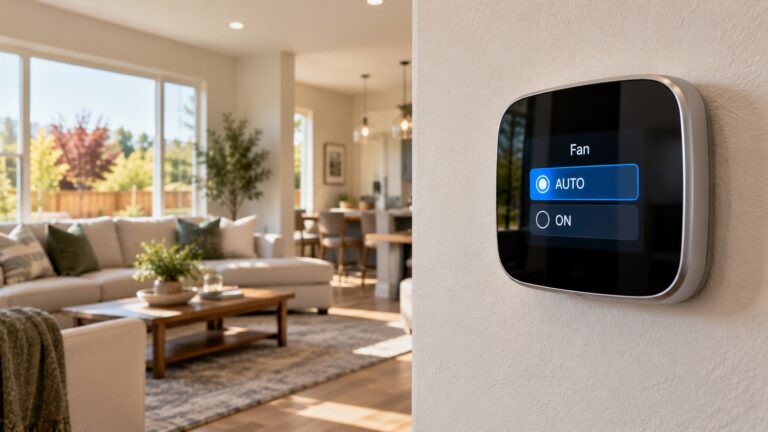
Start by checking whether the thermostat fan setting is configured appropriately for your system. If the fan continues operating without delivering heat despite correct settings, the furnace should be professionally inspected.
When the Furnace Stops and Will Not Restart
Some heating systems enter a protective condition known as ignition lockout after unsuccessful startup attempts or other detected faults. During a lockout, the furnace control system may temporarily or persistently prevent another ignition attempt.
A shutdown followed by an extended period without heat can therefore indicate something different from ordinary short cycling. It may mean the equipment has identified a condition that requires attention before heating can resume.
Why Your Furnace Shuts Off Before Reaching the Set Temperature
A furnace should normally continue responding to a thermostat’s request for heat until the appropriate control conditions are satisfied. When your home remains noticeably colder than the requested temperature, an early shutdown deserves investigation.
For instance, imagine setting the thermostat to 70°F while your living room remains at 64°F. If the furnace repeatedly stops producing heat without closing that temperature gap, something may be preventing it from completing the heating request.
Thermostat Placement and Temperature Readings
A thermostat installed near direct sunlight, a kitchen appliance, or another heat source may detect temperatures that do not represent the rest of your home. It might conclude that the requested temperature has been reached while distant rooms remain uncomfortable.
Thermostats near drafty doors, exterior walls, or improperly positioned supply vents can also respond to unrepresentative temperatures. The resulting heating behavior may look like furnace trouble even when the equipment responds correctly to its control signals.
Pay attention to whether the thermostat’s displayed temperature matches the conditions you experience nearby. If the readings consistently seem inaccurate, thermostat inspection may be appropriate before investigating more complicated furnace problems.
Weak Airflow and Uneven Heating
Your furnace may generate sufficient heat but struggle to distribute it evenly throughout the property. Blocked ducts, inadequate return airflow, and improperly balanced distribution systems can contribute to uneven temperatures.
For example, the thermostat may reach its target temperature in a warm hallway while bedrooms remain chilly. The furnace then stops because its controlling sensor has reached the requested setting, even though comfort varies throughout the house.
That situation differs from a safety-related shutdown because the thermostat is actively ending the heating request. Diagnosing the distinction can prevent unnecessary replacement of perfectly functional furnace components.
How Tracy’s Climate Can Affect Your Heating System
Tracy homeowners experience seasonal changes that create different demands on heating and cooling equipment. While summer air conditioning often receives the most attention, cooler winter mornings and evenings make dependable furnace performance important.
Because heating demand changes throughout the season, homeowners may notice equipment problems only under particular operating conditions. A furnace that runs without difficulty during a mild afternoon may behave differently during a longer overnight heating request.
Intermittent Problems During Cooler Weather
An intermittent furnace problem can be particularly frustrating because the equipment may appear normal when inspected casually. Some problems become noticeable only after the system has operated long enough for internal temperatures or electrical components to change.
For example, restricted airflow may cause the furnace to overheat during an extended heating cycle. After cooling down, the same system might restart and temporarily operate as though nothing happened.
Recording when these shutdowns occur can help identify meaningful patterns. Note whether failures happen during startup, after extended heating, or only when the thermostat requests a larger temperature increase.
Dust Accumulation and Airflow Restrictions
Filters gradually collect airborne particles as an HVAC system circulates indoor air. During periods of increased dust, household activity, or renovation work, a filter may become dirty sooner than expected.
Homes with pets or heavy indoor foot traffic may also require more frequent filter inspections. The correct maintenance interval depends on the filtration system, household conditions, and manufacturer recommendations rather than a single universal schedule.
A quick visual inspection can identify obvious dust buildup, but airflow performance depends on more than appearance alone. If filter problems repeatedly contribute to overheating, the complete airflow system may need professional evaluation.
The First Heating Cycle After a Long Break
Homeowners sometimes discover furnace problems when switching from cooling to heating after months of limited furnace use. The equipment may have an aging igniter, an unnoticed airflow restriction, or another condition that becomes apparent during startup.
A brief odor from accumulated dust may occur when some heating systems first operate after an extended break. However, persistent burning odors, strong chemical smells, smoke, or a suspected gas odor should never be dismissed as ordinary seasonal operation.
Test heating performance before colder weather creates an urgent need for warmth. Early identification provides more opportunity to resolve ordinary maintenance concerns without waiting until the system fails during a cold evening.
Safe Furnace Troubleshooting Steps for Homeowners
When your furnace keeps shutting off, you can gather useful information without attempting complicated repairs. The goal is to identify obvious external problems while leaving gas, combustion, and internal electrical systems to qualified professionals.
Step 1: Check Your Thermostat Settings
Confirm that your thermostat is set to heating mode and that its temperature setting is above the current indoor temperature. Make sure any programmed schedules or smart thermostat settings are not unexpectedly lowering the requested temperature.
If your thermostat uses replaceable batteries, check whether they need replacement according to the manufacturer’s instructions. Avoid changing internal wiring or altering unfamiliar installer settings during basic troubleshooting.
Step 2: Inspect the Furnace Air Filter
Locate the accessible air filter using your equipment’s operating manual. If the filter is dirty, replace it with the correct size and a filtration type compatible with your system.
Pay attention to the airflow-direction arrow printed on the filter frame when installing a replacement. Using the wrong size or an unsuitable high-resistance filter can create additional airflow problems.
Step 3: Check Accessible Supply and Return Vents
Walk through the house and confirm that accessible supply registers and return grilles are unobstructed. Move furniture, storage boxes, and other household items that restrict airflow.
Avoid closing multiple vents in an attempt to redirect heat into a single room. Changing airflow distribution without considering the duct system can increase pressure and contribute to heating problems.
Step 4: Confirm Basic Power Conditions
If the furnace appears completely unresponsive, check whether its ordinary power switch is in the correct operating position. You can also look at the electrical panel for an obviously tripped breaker without removing any covers.
A breaker that trips again indicates a possible electrical fault and should not be repeatedly reset. Do not continue operating equipment that produces electrical odors, sparks, or other signs of damage.
Step 5: Record the Shutdown Pattern
Observe how long the furnace operates before shutting off and whether the thermostat continues requesting heat. Note any unusual sounds, diagnostic messages, or repeated startup attempts that occur during the problem.
If your furnace has a diagnostic display visible without removing a protective panel, record the displayed information. These observations can help a technician distinguish ignition problems from airflow restrictions and thermostat-related behavior.
Step 6: Stop Troubleshooting When Safety Concerns Appear
Basic checks should not involve removing burner covers, adjusting gas valves, testing live electrical components, or altering protective switches. These actions introduce risks that are not justified by an uncertain diagnosis.
If the furnace repeatedly shuts down after simple checks, further attempts are unlikely to establish the root cause safely. Professional troubleshooting is the appropriate next step, especially when the equipment’s safety controls may be involved.
When Furnace Shutdowns Become a Safety Concern
Not every heating interruption presents an immediate emergency, but certain warning signs demand prompt action. Gas odors, smoke, suspected combustion problems, and carbon monoxide alarms should take priority over restoring indoor comfort.
Carbon Monoxide and Combustion Safety
Carbon monoxide is an invisible, odorless gas that can cause serious illness or death. Fuel-burning appliances, including malfunctioning or improperly vented furnaces, can contribute to dangerous carbon monoxide exposure.
Symptoms may include headaches, dizziness, weakness, nausea, chest discomfort, and confusion. The Centers for Disease Control and Prevention identifies carbon monoxide poisoning as a potentially life-threatening condition that requires prevention and prompt attention.
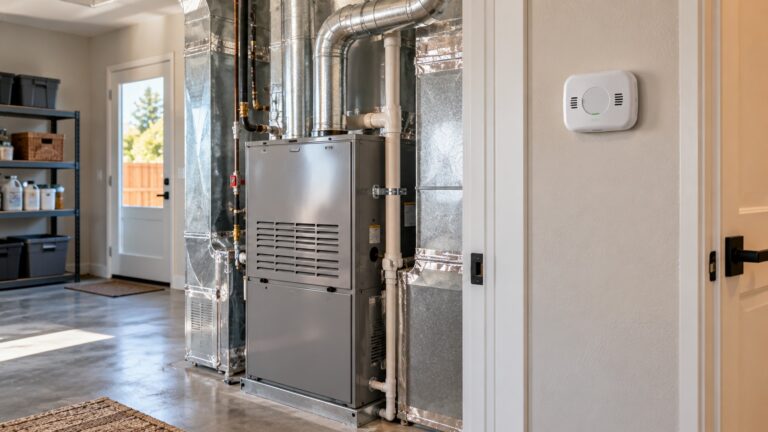
If your carbon monoxide alarm sounds, immediately move everyone outdoors and contact emergency services. Do not reenter the building until emergency responders or the appropriate authorities determine that it is safe.
An unexplained furnace shutdown does not automatically indicate carbon monoxide exposure. Nevertheless, functioning carbon monoxide alarms and appropriate combustion inspections are important safeguards for homes with fuel-burning heating equipment.
What to Do If You Smell Gas
Natural gas utilities add an odorant to help people recognize many gas leaks. If you notice a strong rotten-egg-like odor or suspect leaking gas, leave the building immediately and move to a safe location.
Do not operate electrical switches, use flames, or attempt to repair the gas connection. Once outside, contact your gas utility’s emergency service or 911 and follow their instructions.
Do not restart the heating system until the suspected gas problem has been professionally addressed. A lack of detectable odor does not guarantee the absence of a fuel-related problem, so unexplained combustion concerns still require appropriate inspection.
Other Warning Signs That Require Immediate Attention
Smoke, visible scorching, unusually loud ignition noises, or a furnace cabinet that appears to be overheating should not be ignored. These symptoms can indicate conditions beyond routine thermostat or filter maintenance.
If it is safe to do so without approaching damaged equipment, turn off the heating system and arrange the appropriate emergency or professional assistance. A qualified technician should evaluate the cause before the furnace returns to normal use.
How Professional Furnace Diagnostics Work
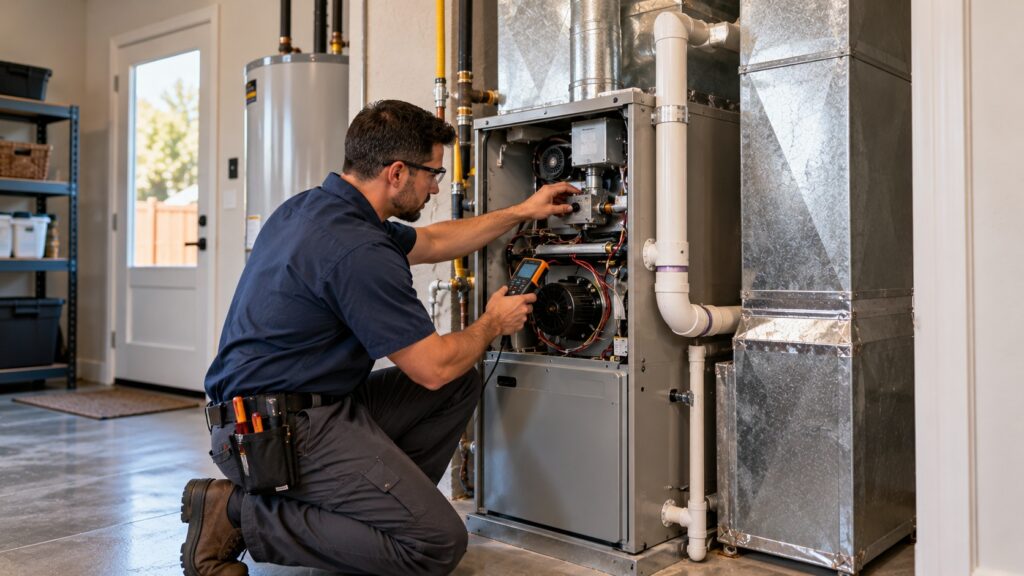
A professional furnace inspection involves more than replacing the first component associated with a familiar symptom. Because multiple defects can produce similar shutdown patterns, technicians need to evaluate the actual operating sequence.
For example, a furnace reporting a high-temperature limit problem may have a functioning safety switch and an underlying airflow restriction. Replacing the switch alone would not correct the condition that caused it to activate.
Evaluating the Furnace’s Operating Sequence
A technician may begin by reviewing the equipment’s service history, control-board information, and reported shutdown behavior. From there, the diagnostic process can focus on whether the interruption occurs before ignition, during combustion, or after the system begins heating.
This sequence helps narrow the possible causes without making assumptions based solely on the homeowner’s description. It also allows the technician to distinguish an actual malfunction from normal control behavior.
Measuring Airflow and Temperature Conditions
When overheating is suspected, technicians can evaluate filter conditions, blower performance, duct restrictions, and temperature measurements. These checks help establish whether the system can move enough air to carry heat away from the furnace.
Temperature rise is particularly useful because manufacturers specify acceptable operating ranges for their equipment. Measurements outside those specifications may indicate that further airflow or equipment investigation is necessary.
Inspecting Ignition and Safety Components
Where appropriate, a technician may examine ignition performance, flame-sensing signals, protective switches, and related electrical circuits. The exact testing procedures depend on the furnace model and the symptoms recorded during operation.
Gas pressure, combustion venting, and other fuel-related conditions require suitable instruments and qualified personnel. Testing these components helps determine whether a safety shutdown reflects a defective part or a genuine operating hazard.
Explaining the Diagnosis Before Repair
Once the problem has been identified, the repair should address the underlying cause rather than simply eliminating the visible symptom. For instance, repeated overheating caused by insufficient airflow may require correcting the restriction rather than replacing a temperature switch.
Homeowners benefit from understanding which component failed, why it failed, and whether any related conditions contributed to the problem. This information can also help establish whether additional maintenance is necessary to reduce the likelihood of another shutdown.
How to Prevent Frequent Furnace Shutdowns
Preventive furnace care cannot eliminate every unexpected equipment failure, but it can reduce several avoidable causes of interrupted heating. Consistent attention to airflow, controls, and safety systems gives the furnace a better opportunity to operate as designed.
Maintain a Consistent Filter Inspection Routine
Inspect your furnace filter regularly and replace it according to the manufacturer’s guidance. Many standard one-inch filters require replacement within approximately one to three months, although actual intervals depend on usage and household conditions.
A properly maintained filter helps protect the equipment from excessive dust accumulation while supporting appropriate airflow. More restrictive filtration is not automatically better for every heating system, so filter compatibility matters.
Keep Airflow Pathways Accessible
Check vents and return grilles periodically to make sure household items have not blocked them. This simple habit becomes especially useful when rooms are rearranged or furniture is moved.
If certain rooms consistently receive insufficient airflow, avoid compensating by closing several other registers. A professional airflow evaluation can identify whether duct restrictions, balancing issues, or equipment settings are contributing to the problem.
Arrange Periodic Professional Furnace Maintenance
An annual heating inspection can help identify developing problems before they interrupt operation. Depending on the equipment, maintenance may include checking ignition performance, safety controls, airflow, electrical connections, and combustion-related conditions.
Professional maintenance is especially relevant before the heating season begins. The CDC recommends annual qualified servicing of fuel-burning heating systems and other relevant appliances as part of carbon monoxide prevention.
Pay Attention to Changes in Performance
A furnace does not always stop working completely when a problem first develops. Unusual cycling patterns, inconsistent heating, unfamiliar operating sounds, and repeated startup attempts can appear beforehand.
Take note when the heating system begins behaving differently from its established pattern. Identifying a new symptom early can help distinguish a developing mechanical problem from an isolated thermostat adjustment.
Avoid Treating Every Shutdown as a Thermostat Problem
Lowering and raising the thermostat repeatedly may temporarily change when your furnace operates. However, these adjustments cannot repair a defective flame sensor, eliminate an exhaust blockage, or correct inadequate airflow.
If the furnace repeatedly stops while the thermostat still calls for heat, the problem may exist elsewhere in the equipment. Continued troubleshooting should focus on identifying that cause rather than forcing additional heating requests.
Final Thoughts: Understanding Unexpected Furnace Shutdowns
A furnace that repeatedly turns off can disrupt indoor comfort and indicate that an important part of the heating system is not operating correctly. While a clogged filter or thermostat setting may explain some situations, other problems involve ignition, overheating protection, electrical controls, or combustion safety.
The most useful first step is to observe how the furnace behaves and identify any obvious issues that can be checked safely. Understanding whether the equipment stops immediately after ignition, shuts down during heating, or fails to restart can provide important clues about the underlying cause.
For Tracy homeowners, dependable heating is especially valuable during cooler winter mornings and evenings. Addressing unusual furnace operation promptly helps protect indoor comfort while reducing the likelihood that a developing problem will remain unnoticed.
When a furnace continues shutting down despite basic troubleshooting, qualified diagnosis can help identify the cause and determine the appropriate repair. AC Heating & Cooling Services provides homeowners in Tracy, California, with professional heating expertise for understanding and addressing furnace performance problems.