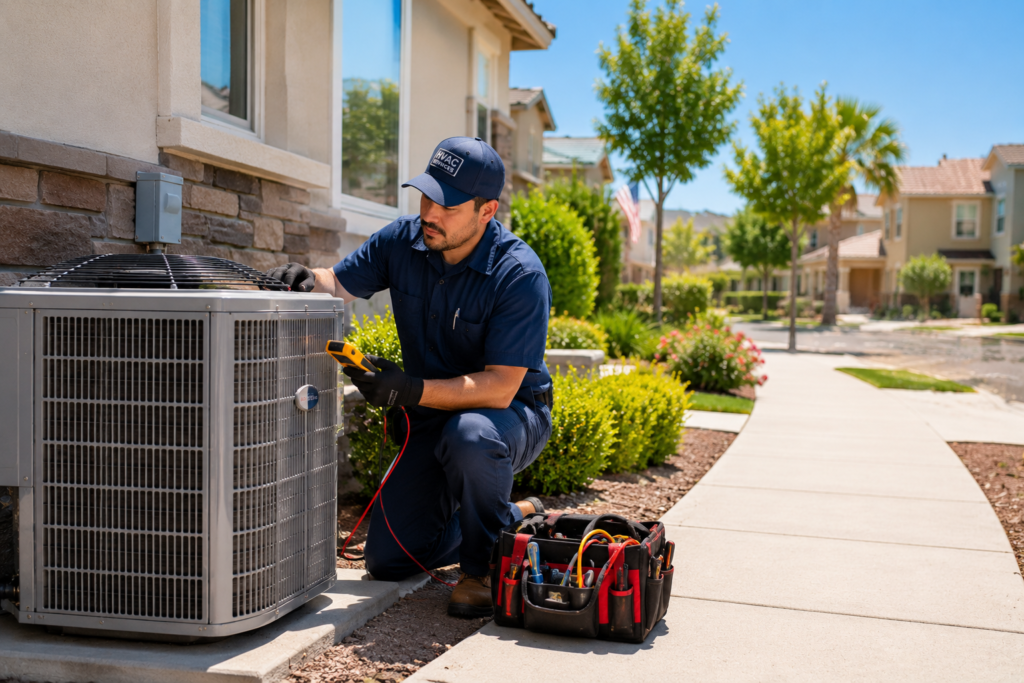
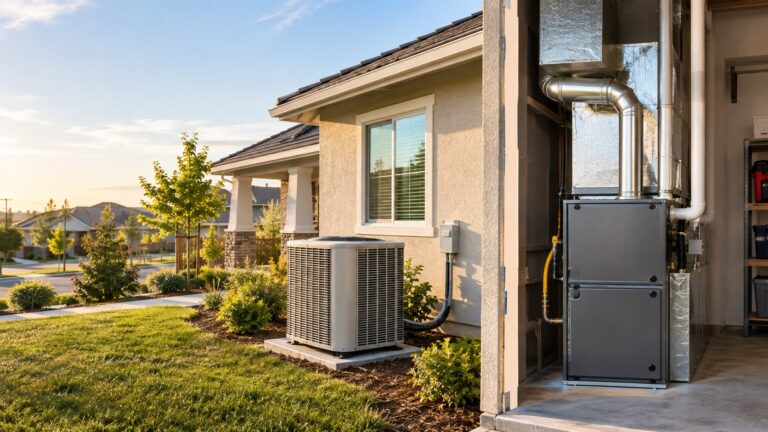
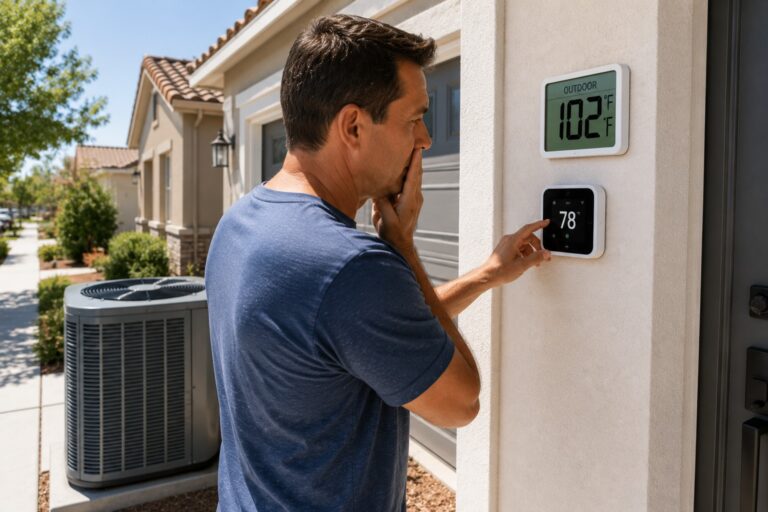
Summer in Tracy, California, isn’t just warm, it can be relentlessly hot. As temperatures climb into the 90s and beyond, your air conditioning system often runs for hours at a time just to keep your home comfortable. That extended workload places significant stress on every component of your HVAC system.
Many homeowners don’t think about their HVAC equipment until something goes wrong. Unfortunately, the hottest days of the year are also when air conditioners are most likely to experience problems. Emergency repairs are not only inconvenient but can also be more expensive if small issues have been allowed to grow into major failures.
Preparing your HVAC system before the hottest part of summer helps ensure consistent cooling, lower energy bills, better indoor comfort, and a reduced chance of unexpected breakdowns.
A little preventive maintenance today can save hundreds or even thousands of dollars over the life of your heating and cooling system.
Signs Your HVAC System May Not Be Ready for Summer
Before temperatures reach their seasonal peak, pay attention to warning signs that your HVAC system may already be struggling.
Uneven Cooling Throughout the Home
If certain rooms stay warmer than others, your system could be experiencing:
- Restricted airflow
- Dirty air filters
- Blocked supply vents
- Aging ductwork
- Improper system balancing
Uneven temperatures force your air conditioner to work harder, increasing wear while reducing comfort.
Higher-Than-Normal Utility Bills
One of the earliest signs of HVAC inefficiency is a noticeable increase in your electric bill.
Even if your thermostat settings haven’t changed, rising energy costs may indicate:
- Dirty condenser coils
- Low refrigerant
- Worn electrical components
- Poor airflow
- Reduced compressor efficiency
The harder your equipment works, the more electricity it consumes.
Weak Airflow From Supply Vents
When cool air barely reaches the rooms in your home, comfort suffers quickly during California’s hottest afternoons.
Weak airflow may result from:
- Clogged filters
- Dirty evaporator coils
- Blower motor problems
- Duct leaks
- Closed or obstructed vents
Ignoring reduced airflow can eventually lead to frozen coils, compressor strain, and premature equipment failure.
Your AC Runs Constantly
It’s normal for an air conditioner to run longer during extremely hot weather. However, it shouldn’t seem like it never turns off.
Continuous operation may signal:
- Poor insulation
- Dirty coils
- Refrigerant problems
- Oversized or undersized equipment
- Thermostat issues
Longer run times increase both energy consumption and mechanical wear.
Strange Noises
Healthy HVAC systems produce a steady operating sound. New noises should never be ignored.
Examples include:
- Banging
- Buzzing
- Clicking
- Grinding
- Screeching
- Rattling
Many of these sounds indicate worn components that are less expensive to repair before they fail completely.
Your Complete Summer HVAC Preparation Checklist
The following checklist helps homeowners maximize cooling performance before California’s summer heat arrives.
1. Replace the Air Filter
This is one of the simplest and most important maintenance tasks.
A clean filter improves:
- Airflow
- Indoor air quality
- Energy efficiency
- Equipment lifespan
Most disposable filters should be inspected monthly during peak cooling season and replaced as needed according to the manufacturer’s recommendations and household conditions.
2. Clean Around the Outdoor Condenser
Your outdoor unit needs room to breathe.
Over time, grass clippings, leaves, weeds, branches, and debris can restrict airflow around the condenser.
Keep at least two feet of open space around the unit by:
- Trimming shrubs
- Removing weeds
- Clearing leaves
- Keeping landscaping away from the equipment
Proper airflow helps the system release heat more efficiently.
3. Inspect Supply and Return Vents
Furniture, rugs, curtains, and storage boxes sometimes block vents without homeowners realizing it.
Walk through your home and ensure every supply and return vent remains fully open and unobstructed.
Restricted airflow can make the entire HVAC system work harder than necessary.
4. Test Your Thermostat
Before the hottest days arrive, verify that your thermostat responds correctly.
Check that:
- Cooling starts promptly.
- The displayed temperature is accurate.
- Scheduled settings operate correctly.
- Fan settings function properly.
If temperatures seem inconsistent, thermostat calibration or replacement may be necessary.
5. Listen During a Cooling Cycle
Turn on your air conditioner and spend several minutes listening carefully.
Normal operation should sound smooth and consistent.
If you hear unusual vibrations, rattles, or loud humming, scheduling a professional inspection before summer peaks can help prevent unexpected breakdowns.
6. Check Your Air Registers
Every room depends on unrestricted airflow.
Ensure that:
- Registers are fully open.
- Dust buildup is removed.
- Furniture isn’t blocking airflow.
- Curtains don’t cover vents.
Small airflow improvements throughout the home can noticeably improve comfort.
7. Examine Visible Refrigerant Lines
Without handling refrigerant, homeowners can visually inspect the insulated refrigerant line connecting the indoor and outdoor units.
Look for:
- Damaged insulation
- Excessive wear
- Visible oil residue
- Animal damage
If anything appears unusual, professional service is recommended because refrigerant systems require specialized equipment and certification.
8. Clean Around Indoor Equipment
Whether your indoor unit is located in a garage, closet, attic, or utility room, keep the surrounding area clean and uncluttered.
Adequate space allows technicians to perform maintenance more effectively while helping the system operate safely.
9. Watch for Water Around the Indoor Unit
Small amounts of condensation are normal, but standing water is not.
Moisture around the indoor equipment may indicate:
- A clogged condensate drain
- Drain line blockage
- Frozen evaporator coil
- Drain pan damage
Addressing drainage issues early can help prevent water damage inside your home.
10. Schedule Professional Preventive Maintenance
Even the most diligent homeowner cannot inspect every internal HVAC component.
A professional tune-up typically includes:
- Electrical inspections
- Refrigerant evaluation
- Coil cleaning
- Safety testing
- Airflow measurement
- Motor inspection
- Performance testing
Identifying worn parts before they fail is one of the most effective ways to avoid emergency repairs during Tracy’s hottest summer days.
Easy Maintenance Tasks Homeowners Can Do
While some HVAC maintenance requires specialized tools and training, there are several simple tasks homeowners can safely perform throughout the summer to help their system run more efficiently.
Keep the Outdoor Unit Clean
The outdoor condenser is responsible for releasing heat removed from your home. When dirt and debris build up on or around the unit, it becomes harder for the system to cool efficiently.
Every few weeks:
- Remove leaves, twigs, and grass clippings.
- Check for weeds growing around the unit.
- Make sure landscaping hasn’t grown too close.
- Gently rinse the exterior fins with a garden hose if they appear dusty. Avoid using high-pressure washers, as they can bend the delicate fins.
Monitor Your Air Filter Regularly
A filter that looked clean a month ago may already be collecting dust, pet hair, pollen, and other airborne particles.
Homes with pets, smokers, or ongoing renovation projects often require more frequent filter inspections.
Replacing a dirty filter can improve airflow almost immediately and may reduce unnecessary strain on your HVAC system.
Seal Air Leaks Around Your Home
Your air conditioner shouldn’t have to cool the outdoors.
Inspect areas around:
- Windows
- Exterior doors
- Attic access panels
- Garage entry doors
Small gaps can allow cool air to escape while letting hot outdoor air enter your home. Weatherstripping and caulking are inexpensive improvements that can reduce cooling costs.
Use Ceiling Fans Wisely
Ceiling fans don’t lower the room’s temperature, but they help circulate cooled air, making occupants feel more comfortable.
During summer, fan blades should rotate counterclockwise to create a downward breeze.
This improved air movement may allow you to raise your thermostat by a degree or two without sacrificing comfort, potentially reducing energy consumption.
Keep Interior Heat to a Minimum
Many household activities generate additional heat.
During the hottest part of the day, consider limiting:
- Oven use
- Clothes dryer cycles
- Long hot showers
- Heat-producing appliances
Running these appliances during the early morning or evening can reduce the workload on your HVAC system.
Why Professional HVAC Maintenance Is Essential
Routine homeowner maintenance is valuable, but it doesn’t replace a comprehensive inspection performed by a qualified HVAC technician.
Professional maintenance allows trained experts to identify developing problems before they become costly repairs.
A seasonal tune-up often includes:
Comprehensive Electrical Inspection
Electrical components naturally wear over time.
Technicians inspect:
- Capacitors
- Contactors
- Wiring connections
- Voltage readings
- Electrical safety controls
Small electrical issues can eventually prevent the system from starting or cause intermittent cooling problems.
Refrigerant Performance Evaluation
Proper refrigerant levels are critical for efficient cooling.
Contrary to popular belief, refrigerant isn’t something that’s “used up” like fuel. If levels are low, it usually indicates a leak that should be located and repaired.
Only certified HVAC professionals should inspect or service refrigerant systems.
Coil Inspection and Cleaning
Both evaporator and condenser coils gradually accumulate dirt.
Dirty coils reduce heat transfer, causing:
- Longer cooling cycles
- Higher utility bills
- Increased compressor wear
- Reduced comfort
Professional cleaning restores efficiency while helping extend equipment life.
Blower Component Inspection
The blower motor is responsible for circulating conditioned air throughout your home.
Technicians inspect:
- Motor operation
- Fan blades
- Bearings
- Airflow performance
Proper airflow is essential for maintaining consistent indoor temperatures.
Condensate Drain Inspection
California summers often mean long periods of continuous cooling, creating significant condensation.
A clogged drain line can result in:
- Water leaks
- Mold growth
- Indoor humidity problems
- System shutdowns on certain models
Preventive cleaning helps avoid these issues.
Common Summer HVAC Mistakes to Avoid
Many homeowners unknowingly reduce their system’s efficiency through simple habits.
Skipping Annual Maintenance
Waiting until the air conditioner stops working often results in more expensive repairs.
Preventive maintenance helps catch minor issues before they develop into major failures.
Closing Too Many Air Vents
Some homeowners close vents in unused rooms hoping to save energy.
However, modern HVAC systems are designed to operate with balanced airflow. Closing multiple vents can increase system pressure and reduce efficiency.
Ignoring Small Problems
Minor warning signs often become major repairs.
Don’t ignore:
- New noises
- Weak airflow
- Warm air
- Frequent cycling
- Water leaks
- Rising utility bills
Early diagnosis is almost always less expensive than emergency repair.
Constant Thermostat Adjustments
Turning the thermostat dramatically lower won’t cool your home faster.
Instead, it forces the system to run longer while increasing energy use.
Choose a comfortable temperature and allow the system to maintain it consistently.
Neglecting Insulation
Even a perfectly functioning HVAC system struggles if your home loses cooled air.
Inspect insulation in:
- Attics
- Crawl spaces
- Ductwork
- Accessible wall penetrations
Improved insulation helps your HVAC system operate more efficiently.
How to Improve Energy Efficiency During Heat Waves
Extreme summer temperatures don’t necessarily mean extreme utility bills.
These practical strategies can help reduce cooling costs while maintaining comfort.
Use a Programmable or Smart Thermostat
Modern thermostats automatically adjust temperatures based on your schedule.
For example:
- Raise the temperature slightly while everyone is away.
- Return to a comfortable setting before occupants arrive home.
This reduces unnecessary cooling without sacrificing comfort.
Close Curtains and Blinds During Peak Sunlight
Direct sunlight significantly increases indoor temperatures.
Keeping blinds or curtains closed on sun-facing windows during the afternoon helps reduce solar heat gain.
Schedule Regular HVAC Maintenance
One of the best ways to improve efficiency is keeping your equipment operating as designed.
A properly maintained system generally:
- Uses less energy
- Delivers more consistent cooling
- Experiences fewer breakdowns
- Lasts longer
Improve Home Airflow
Good airflow helps cooled air circulate evenly throughout the home.
Keep furniture away from vents and return registers to maximize air movement.
Consider Upgrading Older Equipment
If your HVAC system is approaching the end of its expected lifespan, replacing it with a newer, energy-efficient model may lower operating costs while improving comfort.
Final Thoughts
Preparing your HVAC system for California’s extreme summer heat isn’t just about staying comfortable, it’s about protecting one of the most important investments in your home.
By replacing air filters, clearing debris around the outdoor unit, checking vents, monitoring your thermostat, and scheduling professional preventive maintenance, you can improve efficiency, reduce the likelihood of unexpected breakdowns, and help extend the life of your heating and cooling system.
For homeowners in Tracy, where long periods of high temperatures place significant demands on air conditioning equipment, a proactive approach to HVAC maintenance can make all the difference. Addressing small issues before summer reaches its peak allows your system to operate more reliably when you need it most.
Whether your HVAC system is brand new or has provided years of dependable service, seasonal preparation is one of the smartest ways to maintain indoor comfort, manage energy costs, and keep your home ready for California’s hottest days.