Have you ever dusted your furniture only to find a fresh layer of dust the very next day?
If so, you’re not alone. It’s one of the most common questions homeowners ask: “Why is my house so dusty?”
While everyday activities naturally create dust, excessive dust often points to a deeper issue. Many homeowners assume they simply need to clean more often, but the real culprit may be hiding inside their HVAC system.
For homeowners in Tracy, California, dust can become an even bigger challenge. Dry summers, agricultural activity, seasonal winds, and airborne pollen all contribute to particles entering your home. When your heating and cooling system isn’t operating efficiently, those particles can circulate throughout every room instead of being properly filtered.
In this guide, we’ll explain the hidden HVAC problems that can increase dust, show you what you can inspect yourself, and help you understand when professional service is the best solution.
What Causes Dust to Build Up So Quickly?
Household dust isn’t just dirt.
It’s a mixture of:
- Dead skin cells
- Fabric fibers
- Pet dander
- Pollen
- Soil
- Hair
- Outdoor pollutants
- Tiny insect particles
Every time someone walks across a room, opens a window, or turns on the HVAC system, these particles become airborne.
A small amount of dust is perfectly normal.
However, if you’re dusting every day and still seeing buildup on furniture, ceiling fans, shelves, electronics, and vents, your HVAC system may be contributing to the problem rather than reducing it.
Is Your HVAC System Making the Problem Worse?
Your HVAC system acts like the lungs of your home.
When functioning correctly, it:
- Pulls indoor air through return vents.
- Filters airborne particles.
- Conditions the air.
- Sends cleaner air back through supply vents.
If any part of this process is compromised, dust can spread throughout the home instead of being captured.
Think of your HVAC system like a household vacuum. A vacuum with a clogged filter or a cracked hose doesn’t remove dirt efficiently, it simply redistributes it. Your heating and cooling system behaves much the same way.
8 Hidden HVAC Issues That Can Make Your Home Dustier
1. Dirty HVAC Air Filters
A clogged air filter is one of the most common reasons for excessive household dust.
As filters become full, airflow decreases. Instead of trapping particles effectively, dust may circulate through your home.
Common warning signs include:
- Dust collecting shortly after cleaning
- Reduced airflow from vents
- Increased allergy symptoms
- Higher utility bills
Most filters should be checked monthly and replaced according to the manufacturer’s recommendations and your home’s conditions.
2. Leaky Air Ducts
Small gaps or disconnected ductwork can pull dust from:
- Attics
- Crawl spaces
- Garages
- Wall cavities
Instead of circulating conditioned indoor air, the system may introduce unfiltered debris into your living spaces.
Warning signs include:
- Dust around vents
- Uneven room temperatures
- Rising energy costs
- Whistling sounds from ductwork
Leaky ducts can also reduce overall HVAC efficiency by allowing conditioned air to escape before it reaches occupied rooms.
3. Dirty Evaporator Coils
Your indoor evaporator coil removes heat from the air.
When coated with dust, it restricts airflow and reduces system efficiency.
This can lead to:
- Poor air circulation
- Longer operating cycles
- Increased dust movement
- Reduced indoor comfort
Routine maintenance helps keep these components clean and functioning efficiently.
4. Return Air Leaks
Many homeowners focus on supply vents while overlooking return vents.
Return ducts collect indoor air before it passes through the filter.
If return ducts develop leaks, they may pull contaminated air from unconditioned areas filled with insulation fibers and dust.
This hidden issue often explains why dust seems impossible to eliminate despite frequent cleaning.
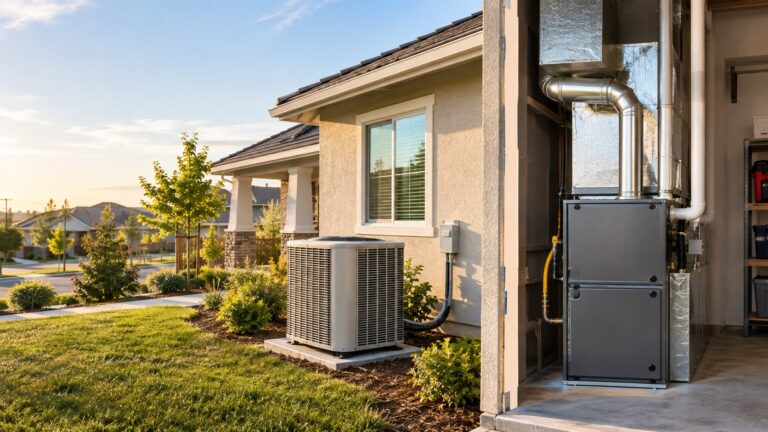
5. Blower Fan Problems
The blower motor distributes conditioned air throughout your home.
If it becomes dirty or worn, airflow becomes inconsistent.
Symptoms may include:
- Weak airflow
- Dust settling quickly
- Rooms that never feel comfortable
- Higher energy consumption
A professional inspection can determine whether cleaning or repairs are necessary.
6. Poor Filter Quality
Not every HVAC filter provides the same level of protection.
Very inexpensive filters may capture only larger debris while allowing finer particles to circulate.
Choosing an appropriate filter for your HVAC system can significantly reduce airborne dust without restricting airflow.
Always follow manufacturer recommendations rather than selecting the highest-rated filter available, as overly restrictive filters may reduce system performance.
7. Infrequent HVAC Maintenance
Every HVAC system accumulates dirt over time.
Without regular inspections, dust builds up on components such as:
- Blower wheels
- Coils
- Drain pans
- Air handlers
Routine maintenance keeps the entire system operating efficiently while helping maintain cleaner indoor air.
8. Poor Home Air Sealing
Sometimes the HVAC system isn’t the only issue.
Small gaps around:
- Windows
- Doors
- Electrical outlets
- Attic access points
allow outdoor dust to enter continuously.
Your HVAC system then circulates these particles throughout the house.
Improving home sealing works together with HVAC maintenance to reduce overall dust levels.
DIY Checks Every Tracy Homeowner Can Perform
Before scheduling service, there are several simple inspections you can perform safely.
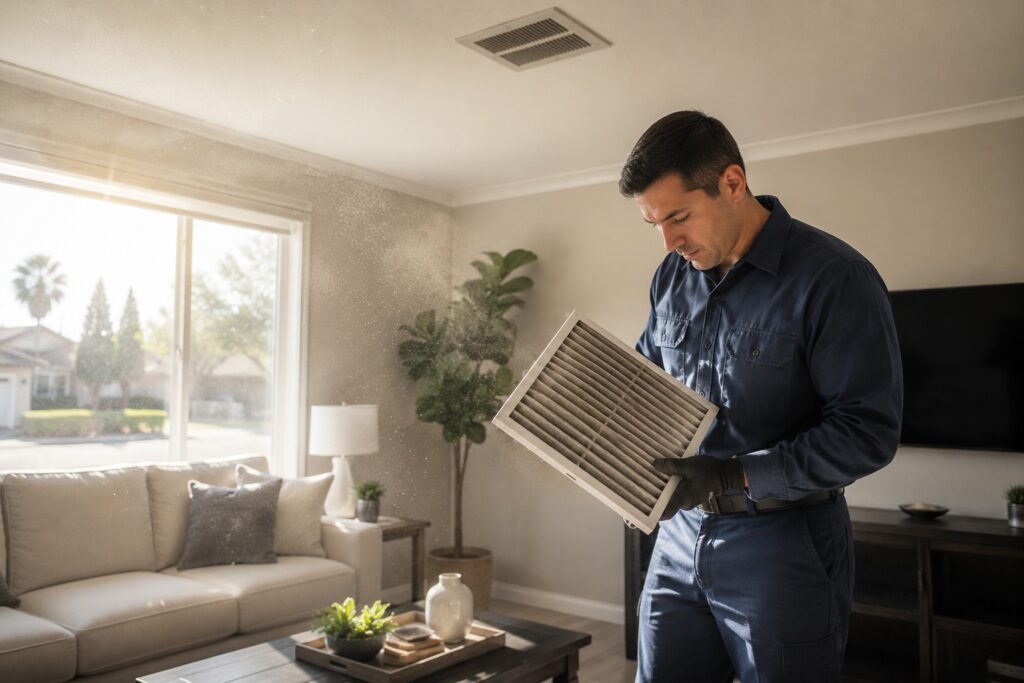
Check the Air Filter
Remove the filter and hold it toward a light source.
If very little light passes through, replacement is likely needed.
Inspect Supply and Return Vents
Look for:
- Dust buildup
- Blocked furniture
- Closed registers
- Visible debris
Blocked vents reduce airflow and may contribute to uneven dust distribution.
Look Around Air Registers
Dark streaks surrounding vents may indicate:
- Air leakage
- Dirty ductwork
- Excess dust circulation
These signs are worth mentioning during a professional inspection.
Monitor Airflow
Place your hand near each vent.
Rooms with noticeably weaker airflow may indicate duct leaks, blower issues, or airflow restrictions.
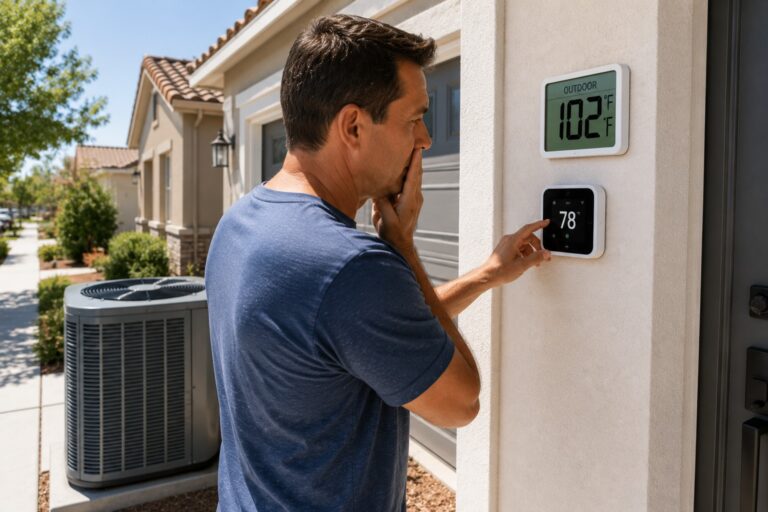
Watch Your Utility Bills
If excessive dust appears alongside rising energy costs, the HVAC system may be operating inefficiently.
The two problems often occur together.
When It’s Time to Call an HVAC Professional
Some dust is normal.
However, professional evaluation is recommended if you notice:
- Dust returning within a day or two of cleaning
- Dust blowing directly from vents
- Uneven temperatures
- Persistent allergy symptoms indoors
- Unusual HVAC noises
- Weak airflow
- Higher-than-normal utility bills
- Musty or dirty odors when the system operates
A comprehensive inspection can identify hidden issues before they become larger, more expensive repairs.
How Tracy’s Climate Contributes to Household Dust
Tracy homeowners face environmental conditions that naturally increase airborne particles.
These include:
Dry Summers
Low humidity allows dust to remain airborne longer instead of settling quickly.
Seasonal Winds
Wind frequently carries:
These particles enter homes whenever doors or windows open.
Agricultural Activity
Surrounding farmland contributes additional airborne dust during harvesting and dry periods.
Homes near open fields may experience heavier dust accumulation than neighborhoods with more urban surroundings.
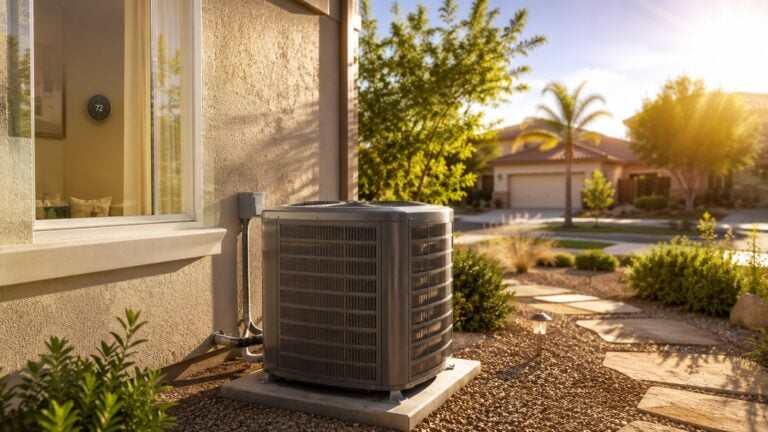
Heavy HVAC Usage
During hot California summers, air conditioners operate for longer periods.
A well-maintained HVAC system filters more air during these months, making filter condition and airflow especially important.
Preventing Dust Before It Becomes a Problem
Reducing household dust usually requires several small improvements rather than one major fix.
Helpful strategies include:
Replace Filters Regularly
Inspect filters monthly, especially during peak heating and cooling seasons.
Schedule Professional HVAC Maintenance
Routine inspections help identify airflow restrictions, dirty components, and developing issues before they affect indoor comfort.
Keep Vents Open and Clean
Avoid blocking supply or return vents with furniture, curtains, or rugs.
Vacuum visible dust from registers periodically.
Seal Air Leaks
Weatherstrip doors, seal window gaps, and address attic leaks that allow outdoor dust inside.
Vacuum Using a HEPA Filter
High-quality vacuum filters capture smaller particles instead of redistributing them into the air.
Control Indoor Humidity
Balanced humidity helps reduce airborne dust while improving overall comfort.
Groom Pets Frequently
Pet hair and dander contribute significantly to household dust.
Regular grooming helps reduce airborne particles.
Keep Entryways Clean
Using doormats and removing shoes indoors can significantly reduce dirt tracked into the home.
Final Thoughts
If you’ve been asking yourself, “Why is my house so dusty?”, don’t assume that frequent cleaning is the only answer.
Your HVAC system plays a major role in how clean your indoor air feels. Dirty filters, duct leaks, restricted airflow, and neglected maintenance can all contribute to dust circulating through your home day after day.
Fortunately, many of these issues can be identified early through routine inspections and preventative maintenance. Addressing them not only helps reduce dust but can also improve comfort, increase energy efficiency, and support the long-term performance of your heating and cooling system.
For Tracy homeowners, where dry conditions and seasonal winds naturally increase airborne dust, keeping your HVAC system in top condition is one of the most effective ways to create a cleaner, healthier, and more comfortable home.