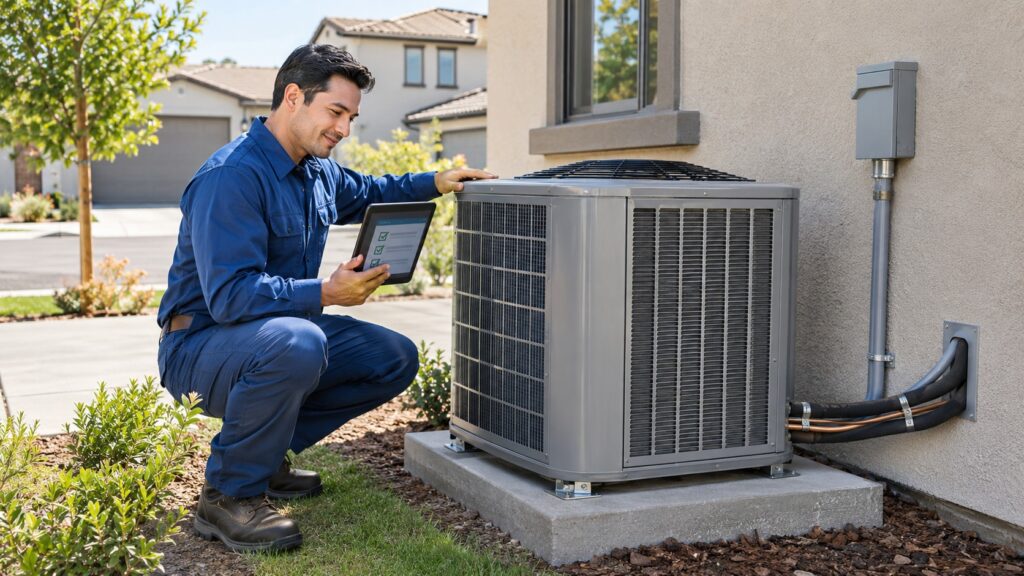
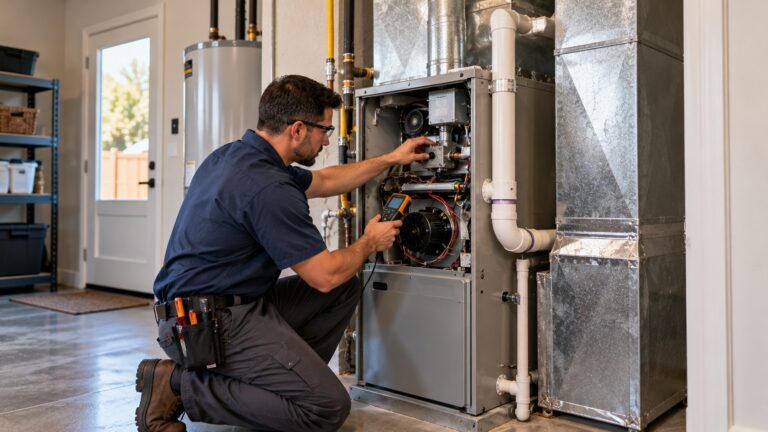
Yes, homeowners generally need an HVAC permit in Tracy, California, when installing, replacing, or making significant modifications to a heating and cooling system. This requirement applies to common projects such as replacing a central air conditioner, installing a furnace, or adding a new heat pump. Even when a replacement system has the same capacity and occupies the same location as the previous equipment, a permit is generally required. The City of Tracy processes residential HVAC permits through its Building Safety Division and offers an online permitting system for qualifying projects.
Imagine spending thousands of dollars on a new air conditioning system, only to discover later that the installation was never officially approved. The equipment might appear to work perfectly, but hidden electrical, ventilation, or installation problems could remain unnoticed. An HVAC permit provides a formal process for checking whether the installation meets applicable safety and building standards. It also creates important documentation that can become useful when maintaining, upgrading, or selling your home.
For homeowners in Tracy, understanding HVAC permit requirements before scheduling an installation can prevent unnecessary complications. California’s building regulations address everything from equipment safety to energy efficiency and proper installation practices. Local requirements determine how those standards are reviewed and enforced within city limits. Knowing what to expect makes the entire replacement process easier to understand.
Why HVAC Permits Matter for Tracy Homeowners
Protecting Your Home and Family
An HVAC system does more than change the temperature inside your home. It connects to electrical equipment, ventilation components, refrigerant lines, and sometimes natural gas piping. Improper installation can create electrical hazards, drainage problems, inefficient operation, or dangerous combustion conditions. Permitting and inspections help identify whether the completed work meets applicable minimum safety requirements.
Consider a furnace installed with an incorrectly connected exhaust vent. The equipment could appear to heat the home normally while creating a potentially dangerous condition that residents cannot easily recognize. Building inspections provide another opportunity to identify installation deficiencies before the permit is finalized. Although inspections cannot guarantee that every future problem will be prevented, they provide meaningful independent oversight.
Protecting Your Investment
Replacing an HVAC system is a significant home improvement investment for many Tracy families. A properly documented installation establishes a record of the equipment replacement and its associated approval process. Those records can be valuable when homeowners review maintenance histories, warranty documentation, or property improvements. They can also help clarify whether previous work followed applicable permitting requirements.
Supporting Efficient System Performance
Permitting is also connected to California’s building energy standards. Depending on the project, compliance requirements may involve equipment efficiency, duct leakage, airflow, and refrigerant charge verification. These measures help address installation problems that can undermine otherwise efficient heating and cooling equipment. A high-efficiency air conditioner cannot deliver its intended performance if the surrounding installation has serious deficiencies.
Which HVAC Projects Require a Permit in Tracy, CA?
1. Central Air Conditioner Installation or Replacement
Installing a new central air conditioning system generally requires a permit in Tracy. Replacing an existing condenser, indoor cooling component, or complete central air conditioning system also normally triggers permitting requirements. Homeowners sometimes assume that replacing equipment with a similar model qualifies as routine maintenance. However, a like-for-like equipment change is still a replacement project rather than a simple service visit.
For example, imagine replacing a 15-year-old central air conditioner with a newer, more efficient model. Even if the outdoor unit remains in exactly the same position, the replacement must still comply with applicable requirements. The installation may also trigger energy-code testing or verification obligations based on its scope.
2. Furnace Installation and Replacement
Replacing an existing furnace generally requires an HVAC permit, whether the new system uses natural gas or electricity. Furnaces involve safety considerations related to electrical connections, heating equipment, ventilation, and combustion when applicable. Inspectors may evaluate relevant installation details based on the equipment type and approved scope of work. A same-location furnace replacement should not be treated as automatically exempt from permitting.
3. Heat Pump Installation
Heat pumps provide heating and cooling through a single refrigeration-based system. Installing or replacing a fixed heat pump generally requires the appropriate mechanical permit, along with any additional approvals associated with the project. Homeowners switching from a conventional furnace and air conditioner to a heat pump may also need electrical modifications. These changes should be included in the project’s permitting and compliance review.
4. Ductless Mini-Split Installation
Ductless mini-split systems are popular because they can provide targeted comfort without requiring traditional whole-house ductwork. However, their compact appearance does not eliminate permitting requirements for permanently installed equipment. The installation normally involves mounting indoor and outdoor components, connecting refrigerant lines, and supplying electrical power. These elements bring the project within the scope of applicable building and mechanical regulations.
5. Ductwork Installation and Major Modifications
Installing new air ducts or substantially modifying existing ductwork can also require permitting. The City of Tracy specifically lists HVAC projects with ductwork among the residential mechanical permit categories available through its online system. Changes to duct design can influence airflow, equipment performance, and energy efficiency. The exact documentation and testing requirements depend on what the project involves.
6. HVAC Equipment Relocation
Moving an existing air conditioner or other HVAC equipment to another location is more involved than simply changing its appearance. Relocation may affect electrical wiring, refrigerant piping, equipment access, clearances, and structural support. These changes generally require a permit and may call for additional review depending on the installation. Homeowners should verify the requirements before relocating equipment during a remodel or outdoor improvement project.
Which HVAC Repairs Usually Do Not Require a Permit?
Not every HVAC service appointment requires a building permit. Routine maintenance activities, such as replacing disposable air filters, cleaning accessible components, and performing ordinary system inspections, generally do not involve the kind of equipment installation that triggers permitting. Many straightforward repairs that restore existing equipment without changing its installation configuration may also be exempt. However, the exact distinction depends on the work performed and the applicable local code.
Replacing a thermostat or repairing an existing component may be different from installing a new heating or cooling system. A service visit that unexpectedly reveals the need for major equipment replacement could change the permitting requirements. Homeowners should therefore avoid assuming that every job described as a repair is automatically exempt. For unusual situations, Tracy’s Building Safety Division can clarify whether the planned work requires a permit.
Understanding California’s 2026 HVAC Building Codes
The 2025 California Building Codes Are Now in Effect
California updates its building standards periodically to address safety, construction practices, and energy performance. The 2025 California Building Standards Code and the 2025 Building Energy Efficiency Standards became effective for applicable new permit applications on January 1, 2026. This means homeowners planning HVAC work in Tracy during 2026 should account for the current requirements rather than relying exclusively on older guidance. Projects permitted under previous code cycles may follow different applicable requirements.
California’s building standards cover several areas that can affect HVAC projects. The mechanical code addresses heating, ventilation, and air conditioning equipment, while electrical and plumbing provisions may apply to connected components. The energy code establishes additional requirements for qualifying installations, alterations, and new construction. Local building officials determine how these requirements apply to the specific project submitted for approval.
What Is California Title 24?
Title 24 refers to California’s Building Standards Code, which contains multiple parts addressing different aspects of construction. Its Part 6 contains the Building Energy Efficiency Standards that influence HVAC equipment and installation practices. These standards help ensure that qualifying projects meet established energy performance requirements. They also establish testing and documentation procedures for certain heating and cooling alterations.
The important distinction is that Title 24 does not mean every homeowner must purchase the most expensive HVAC system available. Compliance depends on the equipment, the building, the project scope, and the applicable code provisions. Some projects follow prescriptive requirements, while others can demonstrate compliance through an approved performance approach. Qualified HVAC professionals and the local building department can determine which method applies.
Does California Require Every Homeowner to Install a Heat Pump?
California’s updated energy standards encourage greater use of efficient electric heat pump technologies, particularly in specified new construction scenarios. However, that does not mean every existing Tracy homeowner replacing a furnace is automatically required to install a heat pump. Requirements depend on whether the work involves new construction, an addition, or an alteration to an existing building. The applicable compliance pathway and equipment choices must be evaluated for the individual project.
How to Get an HVAC Permit in Tracy, California
Step 1: Identify the Exact Scope of the HVAC Project
The permit process begins with understanding what equipment will be installed or replaced. A straightforward air conditioner changeout may require different documentation from a complete heating and cooling system redesign. Projects involving new ductwork, electrical upgrades, or equipment relocation may involve additional considerations. Defining the work accurately helps the application reflect what will actually occur at the property.
Step 2: Determine Who Will Apply for the Permit
The next step is identifying whether a licensed contractor or an eligible property owner will obtain the permit. The City of Tracy allows qualified contractors to apply for certain residential HVAC permits using its eTRAKiT online permitting system. Property owners may also have owner-builder options, subject to the city’s requirements and California law. The person obtaining the permit should understand the associated responsibilities before proceeding.
Step 3: Prepare the Required Information
Permit applications generally require property information, a description of the proposed work, and identifying information for the responsible applicant. Depending on the project, additional documentation may include equipment information, contractor licensing details, plans, or energy compliance forms. Tracy requires a Building Permit Application even when formal plans are not necessary. Missing information can result in questions or delays during processing.
Step 4: Submit the Application Through the Appropriate Channel
Tracy’s eTRAKiT system provides online permitting for eligible residential HVAC work, including HVAC projects with ductwork. Certain projects may require additional review or submission through the Building Safety Division’s regular application process. The city also provides instructions and assistance for applicants who encounter difficulties.
Step 5: Pay the Applicable Permit Fees
Permit costs must be paid according to the city’s payment instructions. The amount can vary depending on the project category, scope, and any required reviews or additional permits. Tracy explains that plan-check fees, when applicable, are collected before review and remaining permit fees are due at issuance. Homeowners should obtain the current applicable amount rather than relying on estimates published for other California cities.
Step 6: Complete the Approved Installation
Once the necessary permit has been issued, work can proceed according to the approved scope and applicable requirements. Installation should follow the manufacturer’s instructions and the relevant building and energy codes. Changes to the approved work may require revisions or additional authorization before inspection. The permit should remain associated with the actual equipment and installation being completed.
Step 7: Schedule Inspections and Close the Permit
Permitting does not end when the equipment begins producing hot or cold air. Required inspections and compliance documentation must also be completed before the permit can be finalized. Tracy uses eTRAKiT for scheduling building inspections and provides online information about the process. A final inspection and completed permit record help demonstrate that the project has passed the required municipal review.
Final Thoughts
Understanding HVAC permit requirements in Tracy, CA is an important part of planning a successful heating or cooling installation. Most new HVAC installations, major equipment replacements, and significant system modifications require permits, while routine maintenance generally does not. California’s current energy standards also introduce compliance responsibilities that may involve independent testing and documentation. The exact requirements depend on the project, property, and applicable code provisions.
A permit is more than an administrative formality associated with a home improvement project. It provides a structured pathway for reviewing important safety and compliance considerations, documenting the installation, and obtaining final approval. For Tracy homeowners, understanding that process helps make equipment replacement decisions more informed and predictable. A properly permitted and documented HVAC installation supports both immediate household comfort and the long-term integrity of the home.