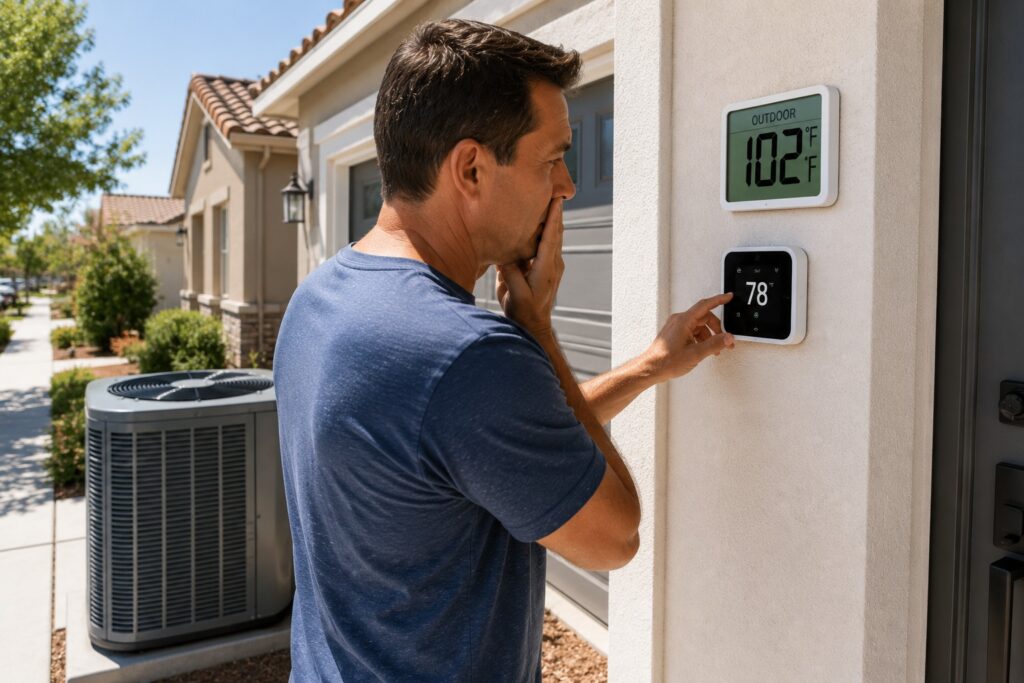
Few things are more frustrating than hearing your air conditioner running for hours while your home still feels hot and uncomfortable. You lower the thermostat, wait patiently, and expect cooler air but the temperature barely changes.
If you’ve ever wondered, “Why won’t my house cool down?”, you’re not alone. This is one of the most common questions homeowners ask during California’s hottest months, especially in Tracy, where triple-digit temperatures can place tremendous stress on residential HVAC systems.
The good news is that an AC system that struggles to cool your home doesn’t always mean you need a complete replacement. Sometimes the problem is surprisingly simple. Other times, it’s an early warning sign of a mechanical issue that should be addressed before it leads to a costly breakdown.
Below are twelve common and often overlooked reasons your house isn’t cooling properly, along with practical steps you can take before calling an HVAC professional.
Why Your Home Isn’t Cooling Even When the AC Is Running
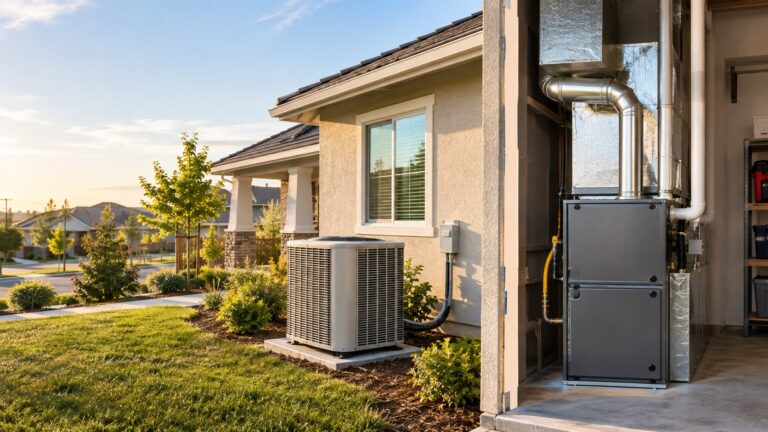
An air conditioner removes heat from inside your home and transfers it outdoors. If any part of that process is interrupted, cooling performance drops.
Sometimes the issue originates inside the HVAC equipment. Other times, your home’s insulation, ductwork, windows, or airflow are working against the system.
Understanding the underlying cause helps you make informed decisions instead of guessing or spending money on unnecessary repairs.
1. Your Air Filter Is Dirty
This is one of the simplest and most common causes of poor cooling.
A clogged air filter restricts airflow, forcing your AC to work harder while delivering less cool air throughout your home.
Common signs include:
- Weak airflow from vents
- Longer cooling cycles
- Increased energy bills
- Dust accumulating inside your home
Replacing a dirty filter often restores airflow immediately.
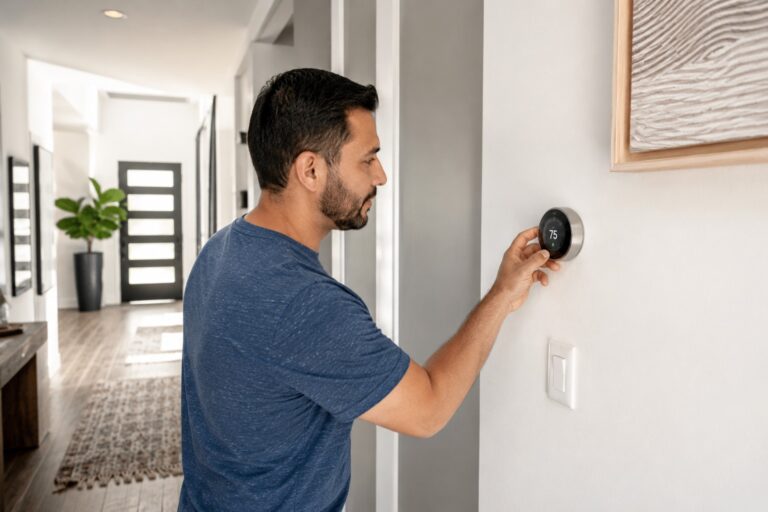
2. The Thermostat Isn’t Operating Correctly
Sometimes the air conditioner isn’t the problem at all.
Check that your thermostat is:
- Set to Cool
- Programmed to the desired temperature
- Using fresh batteries if applicable
- Located away from direct sunlight or heat-producing appliances
A thermostat receiving false temperature readings may shut the system off too early or keep it running longer than necessary.
3. Your Refrigerant Level Is Low
Refrigerant is the substance responsible for absorbing indoor heat.
If refrigerant levels drop because of a leak, your AC can no longer remove heat efficiently.
Warning signs include:
- Warm air from vents
- Ice forming on refrigerant lines
- Hissing sounds
- Long cooling cycles
- Higher electric bills
Unlike changing a filter, refrigerant issues require professional diagnosis and repair.
4. Dirty Evaporator or Condenser Coils
Your AC depends on two important coils:
- The evaporator coil absorbs indoor heat.
- The condenser coil releases heat outside.
When dirt covers either coil, heat transfer becomes less efficient.
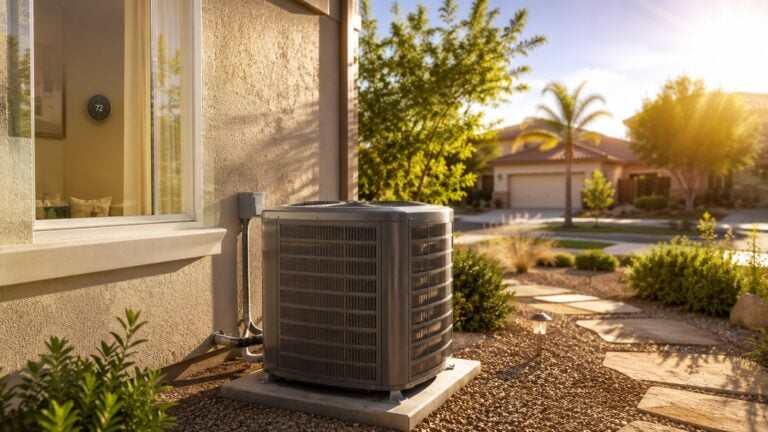
Outdoor condenser units are especially vulnerable to:
- Dust
- Grass clippings
- Cottonwood seeds
- Leaves
- Landscaping debris
Keeping the outdoor unit clear of vegetation and scheduling professional cleaning helps maintain peak efficiency.
5. Hidden Air Duct Leaks
Many homeowners focus on the air conditioner itself while overlooking the ductwork carrying cooled air throughout the house.
Leaky ducts may lose a significant amount of conditioned air before it ever reaches your living spaces.
Signs include:
- Some rooms remain warm
- Weak airflow
- Uneven temperatures
- Higher utility costs
Professional duct inspections can identify disconnected sections, crushed ducts, or air leaks hidden in attics or crawl spaces.
6. Your Home Is Losing Cool Air
Even a perfectly functioning air conditioner struggles if cool air escapes as quickly as it’s produced.
Common sources include:
- Worn door weatherstripping
- Window gaps
- Poorly sealed attic access panels
- Fireplace dampers left open
- Cracks around plumbing or electrical penetrations
Air sealing reduces cooling demand and helps maintain comfortable indoor temperatures.
7. Poor Attic Insulation
During Tracy summers, attic temperatures can soar well above outdoor air temperatures.
Without adequate insulation, that heat radiates into living spaces all day long.
As a result:
- Upstairs rooms become much hotter.
- The AC runs longer.
- Indoor temperatures fluctuate.
- Energy costs rise.
Improving insulation often provides year-round comfort while lowering heating and cooling expenses.
8. Your Air Conditioner Is Nearing the End of Its Lifespan
Even well-maintained HVAC systems don’t last forever.
As equipment ages:
- Efficiency declines.
- Components wear out.
- Repairs become more frequent.
- Cooling capacity decreases.
If your system is approaching 15–20 years old and struggles every summer, replacement may become more cost-effective than ongoing repairs.
9. Your HVAC System May Be the Wrong Size
Bigger isn’t always better.
An oversized unit cools the house too quickly without adequately removing humidity during milder conditions.
An undersized system may run continuously yet never reach the thermostat setting on very hot days.
Proper HVAC sizing considers:
- Square footage
- Ceiling height
- Insulation
- Window area
- Home orientation
- Local climate
A professional load calculation is far more reliable than simply replacing a system with the same size as the previous unit.
10. Excessive Sunlight Is Heating Your Home
Large west-facing windows can dramatically increase indoor temperatures during the afternoon.
Sunlight streaming through glass creates what’s known as solar heat gain, forcing your air conditioner to remove additional heat throughout the day.
Helpful strategies include:
- Closing blinds during peak afternoon hours
- Installing thermal curtains
- Using exterior shade screens
- Planting shade trees where appropriate
- Applying energy-efficient window film
Reducing heat gain can noticeably improve comfort without changing your HVAC system.
11. Mechanical or Electrical Components Are Failing
Modern air conditioners rely on numerous components working together.
Problems with any of these can reduce cooling performance:
- Capacitors
- Contactors
- Blower motors
- Compressor components
- Fan motors
- Electrical connections
Many failures begin gradually before becoming complete breakdowns.
If you notice unusual noises, burning smells, frequent cycling, or inconsistent cooling, it’s best to schedule professional service promptly.
12. Tracy’s Extreme Summer Temperatures Push Every AC System Harder
One often-overlooked reality is that even healthy air conditioners have performance limits.
Residential cooling systems are generally designed around expected outdoor conditions. During prolonged heat waves, especially when temperatures climb into the triple digits, your system may run almost continuously to maintain comfort.
That doesn’t necessarily indicate something is broken.
However, if your indoor temperature continues climbing despite the AC operating non-stop, an inspection is worthwhile to verify that your equipment is performing as designed and that no hidden problems are reducing efficiency.
Homes with poor insulation, air leaks, or aging equipment feel these effects even more dramatically.
DIY Checks Before Calling an HVAC Professional
Before scheduling service, homeowners can safely perform several simple checks.
Replace the air filter
If it’s dirty, replace it with the correct size and rating.
Verify thermostat settings
Ensure the thermostat is in cooling mode and set below the current room temperature.
Check supply vents
Make sure furniture, rugs, or curtains aren’t blocking airflow.
Inspect the outdoor unit
Remove leaves, weeds, and debris while maintaining safe clearance around the condenser.
Look for tripped breakers
If your outdoor unit isn’t operating, check the electrical panel before assuming major equipment failure.
Close windows and doors
Keeping conditioned air inside improves cooling performance and reduces strain on the system.
Avoid attempting electrical repairs, refrigerant handling, or disassembling HVAC components. Those tasks require specialized training and equipment.
When Should You Call an HVAC Professional?
While some issues have simple solutions, others require expert diagnosis.
Consider scheduling professional service if:
- Your AC blows warm air consistently.
- Ice forms on refrigerant lines.
- The system runs constantly without cooling.
- Certain rooms remain significantly hotter.
- Energy bills suddenly spike.
- You hear grinding, squealing, or banging noises.
- Water is leaking around indoor equipment.
- Breakers repeatedly trip.
- The system frequently turns on and off.
Early diagnosis often prevents more expensive repairs and can help extend the life of your HVAC system.
How Preventive Maintenance Improves Cooling Performance
Routine HVAC maintenance remains one of the best investments homeowners can make.
Professional tune-ups typically include:
- Cleaning coils
- Inspecting electrical components
- Measuring refrigerant performance
- Testing airflow
- Checking thermostat operation
- Tightening electrical connections
- Lubricating moving parts where applicable
- Verifying safe system operation
Preventive maintenance can improve efficiency, reduce unexpected breakdowns, and help your system perform more reliably during Tracy’s hottest weather.
Final Thoughts
If your house won’t cool down, don’t assume the air conditioner has failed. Problems ranging from dirty filters and duct leaks to insulation deficiencies and aging equipment can all affect indoor comfort.
The key is identifying the root cause before a small issue becomes a major repair.
For homeowners in Tracy, California, where summer temperatures regularly test HVAC systems, staying proactive with maintenance, addressing airflow issues, and scheduling professional inspections when needed can make a significant difference in both comfort and energy efficiency.
A properly maintained HVAC system doesn’t just cool your home more effectively, it also operates more efficiently, lasts longer, and helps keep utility costs under control throughout the cooling season.